Already we are seeing announcements of 2026 art museum shows about women artists from the distant past through the present. Here we focus (almost) exclusively on art exhibitions about women artists born before the end of the 19th century. Some are large-scale shows, others are more intimate. Below, we try to include some sense of a show’s size where possible, but readers may need to do a little research to establish the scope of each exhibition.
We list the shows in order by opening date; thus, the list starts with those currently on view. As the exhibitions close, we will move the entries down to the “Past Exhibitions” section.
Keep checking back; we will update this page as museums announce new shows.
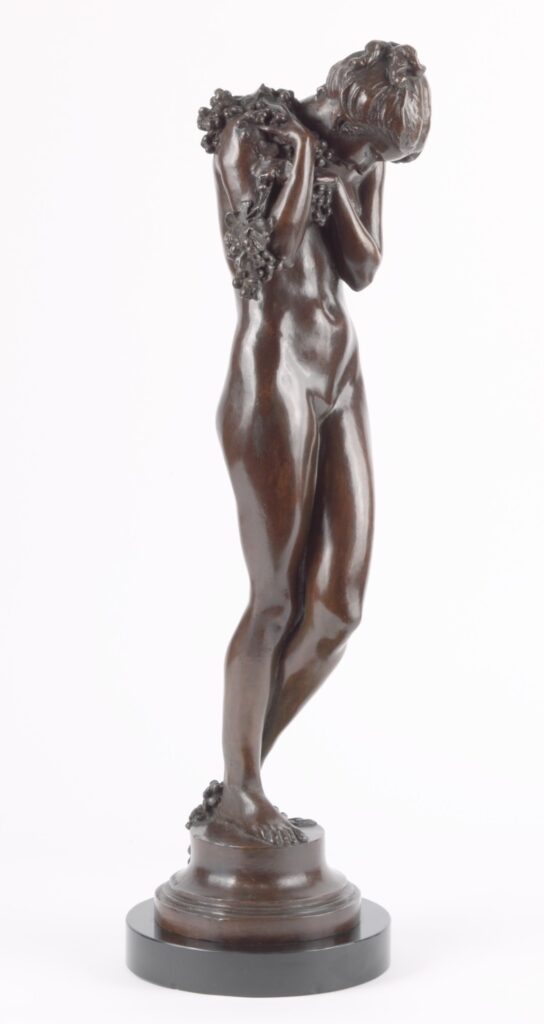
A Fountain of Forms: The Rise of the American Woman Sculptor, 1910–1929
This exhibition showcases remarkable depictions of the female body by women artists, highlighting their subversion of gender and sexuality conventions. Despite societal constraints, artists like Harriet Whitney Frishmuth, Malvina Hoffman, and Janet Scudder—who were queer women—used their focus on the nude human figure to assert their individuality and autonomy in an age of increasing, rapid mechanization and patriarchal control.
A Fountain of Forms: The Rise of the American Woman Sculptor, 1910–1929; The Westmoreland Museum of American Art. April 11, 2025–March 29, 2026.
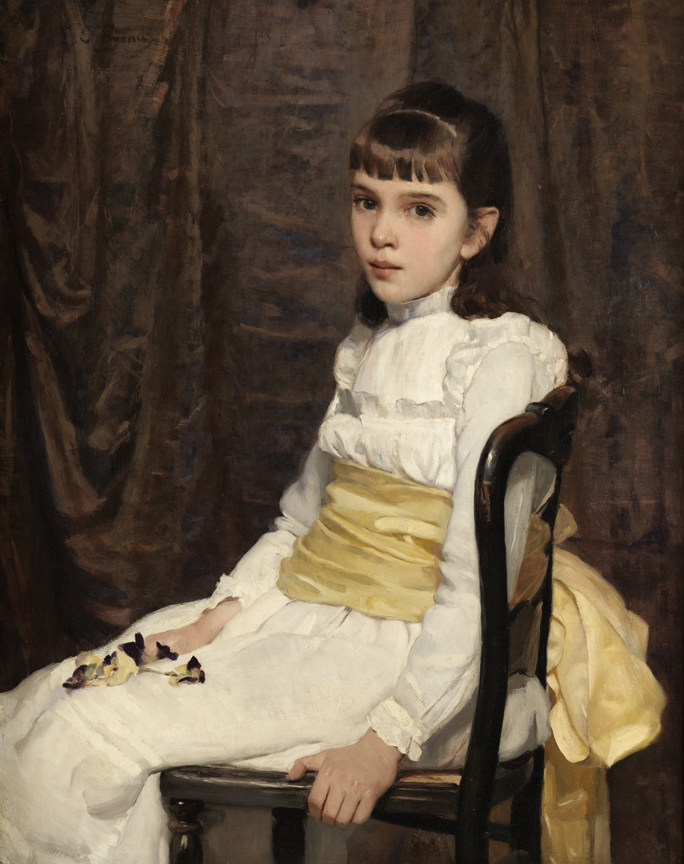
Cecilia Beaux: Inventing the Modern Portrait
American painter Cecilia Beaux was the first woman to teach art at the Pennsylvania Academy of the Fine Arts. The National Institute of Arts and Letters awarded her a gold medal for lifetime achievement. Eleanor Roosevelt lauded her as “the American woman who had made the greatest contribution to the culture of the world.” She was known for her elegant and sensitive portraits of friends, relatives, and Gilded Age patrons. Works from The Westmoreland Museum of Art’s permanent collection, the Pennsylvania Academy of the Fine Arts, and the National Academy of Design highlight the artist’s contributions to American art. In terms of scale, a May 2025 museum post on social media refers to it as “intimate.”
Cecilia Beaux: Inventing the Modern Portrait; The Westmoreland Museum of Art. June 13, 2025–June 7, 2026.
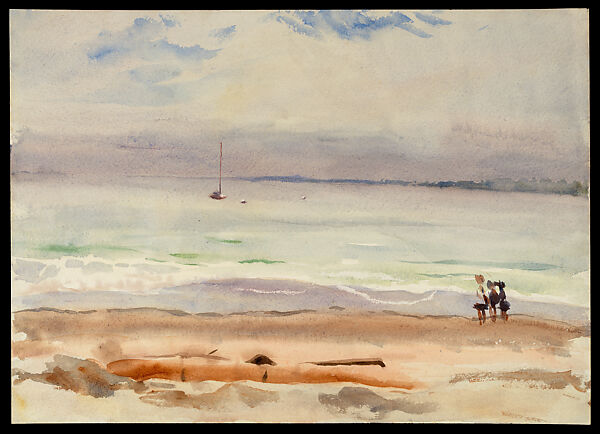
Emily Sargent: Portrait of a Family
This unique presentation features watercolors by Emily Sargent (1857–1936), her brother John Singer Sargent (1856–1925), and their mother, Mary Newbold Sargent (1826–1906). Drawn entirely from The Met collection, Emily Sargent: Portrait of a Family takes a close look at their art. The show explores how paths diverged for daughter and son, revealing the challenges women artists faced in the late 19th century. Emily Sargent’s watercolors—recently rediscovered—capture the world with a clarity and expressiveness that were all her own. The artists’ heirs recently gifted 26 of her works to the Met, which make their exhibition debut here. Emily Sargent: Portrait of a Family brings her luminous work into focus, situating it within the creative, complex world of the Sargent family.
Emily Sargent: Portrait of a Family; Metropolitan Museum of Art. July 1, 2025–March 8, 2026.
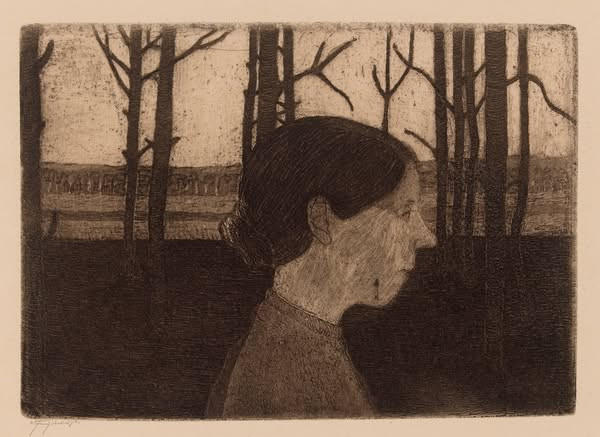
Front Lines: Women Etchers at the Fore, 1880 to Today
This exhibition brings together the etchings of an international array of women who have continued to expand the scope of etching and their own creative practices. The show includes art by Emma Amos, Mary Cassatt, Helen Frankenthaler, Käthe Kollwitz, Hung Liu, Louise Nevelson, Howardena Pindell, Dorothea Rockburne, Barbara Rossi, Alison Saar, and Suzanne Valadon. Through their work, Front Lines explores such themes as gender, race, class, identity. In addition, the exhibition explores the expressive idioms of both figuration and abstraction. In bringing visibility to the experience of women—including joy, ambiguity, and suffering—these artists laid the foundation for other women to use etching to assert their identities in male-dominated artistic and social spheres, explore marginalized communities, and build solidarity in and through the print studio.
Front Lines: Women Etchers at the Fore, 1880 to Today; Bowdoin College Museum of Art. August 7, 2025–April 26, 2026.
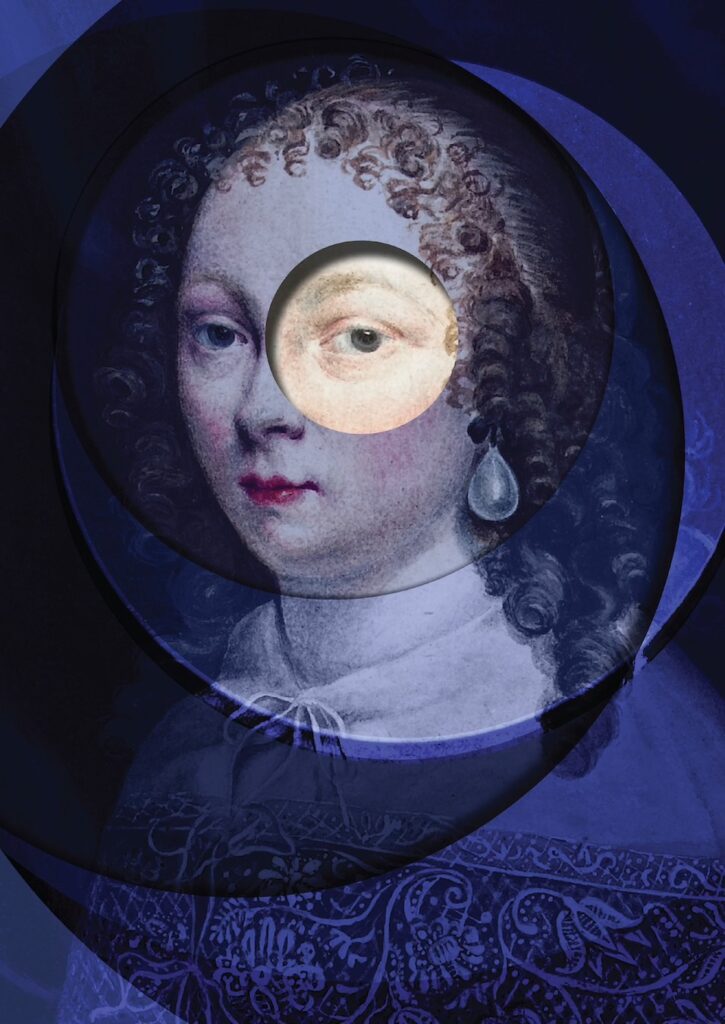
Gesina & Being Seen
After spending centuries in the shadow of her famous family, Gesina ter Borch is finally stepping into the spotlight. At Academiehuis Grote Kerk Zwolle, in Gesina & Being Seen, the Dutch 17th-century artist takes center stage in the layered, image-rich exhibition by contemporary artist Jasper Abels that brings her voice, vision and emotional world to life. Collages, film, fashion, installations and hidden keyholes reimagine the unseen voice of Gesina ter Borch; a 17th-century female artist brought into the light.
Gesina & Being Seen; Academiehuis Grote Kerk Zwolle. September 6, 2025–February 28, 2026.
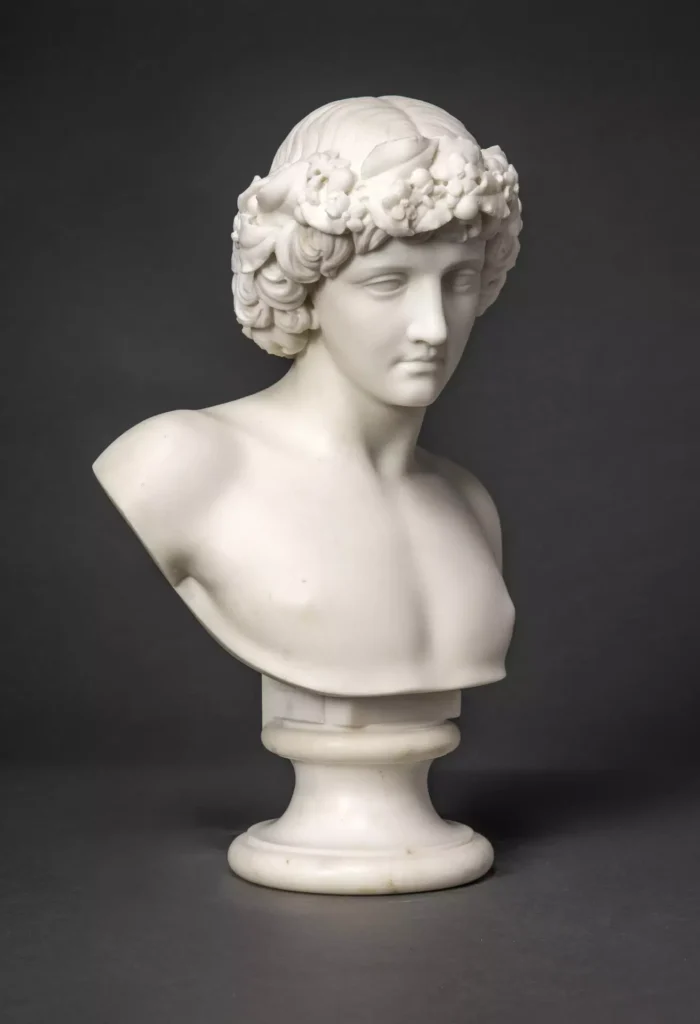
Emma Stebbins: Carving Out History
Her Bethesda Fountain in Central Park has been a global icon for 150 years. Even so, the full scope of the life and work of Emma Stebbins (1815–1882) is virtually unknown. From 1857 to 1870, she created innovative sculptures while living in Rome with her wife, renowned Shakespearean actress Charlotte Cushman. In 1863, with the order for the Bethesda Fountain, she became the first woman to earn a commission for a public sculpture from the city of New York. She was first woman in the country to complete an outdoor bronze monument. This exhibition is the first to recognize Stebbins as one of the most significant American sculptors of the 19th century. Emma Stebbins: Carving Out History brings together most of the artist’s rare extant work. It includes a portrait drawing and several sculptures that will be on public view for the first time in a century.
Emma Stebbins: Carving Out History; The Heckscher Museum of Art. September 28, 2025–March 15, 2026.
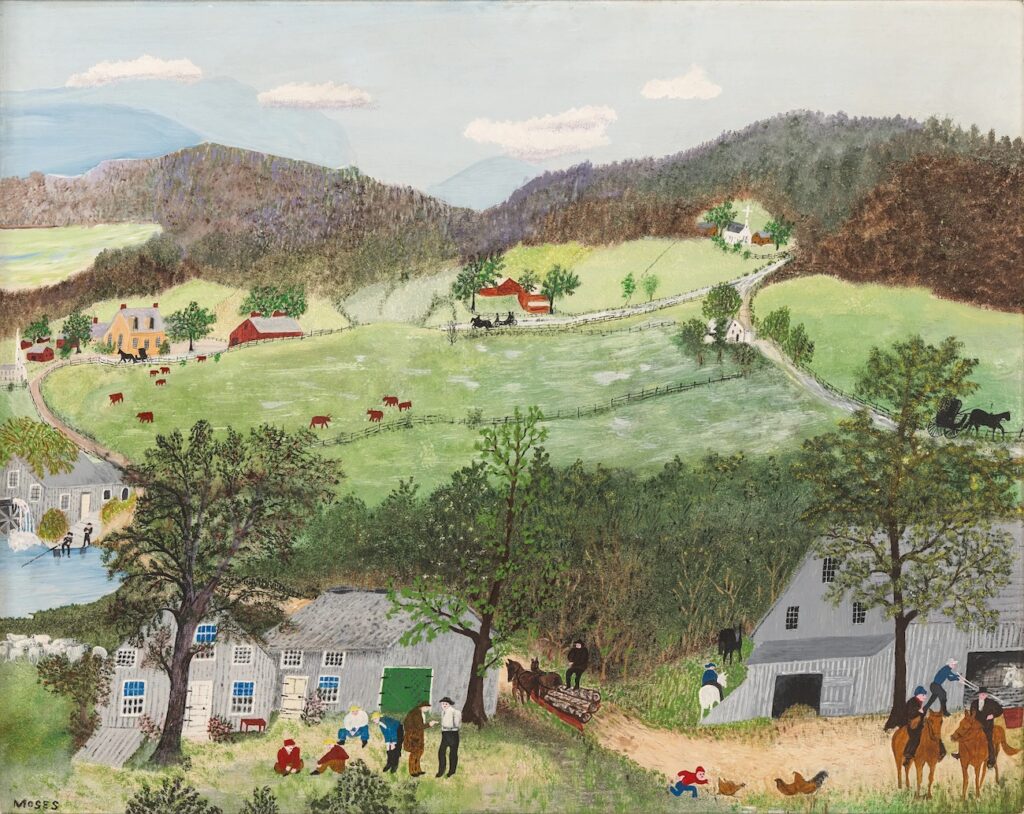
Grandma Moses: A Good Day’s Work
Grandma Moses: A Good Day’s Work repositions Anna Mary Robertson “Grandma” Moses (1860–1961) as a multidimensional force in American art, whose beloved painted recollections of rural life earned her a distinctive place in the cultural imagination of the postwar era. Drawing its name from Moses’ reflection on her own life as a “good day’s work,” the exhibition reveals how Moses’ art fused creativity, labor, and memories from a century-long life. The exhibition is the culmination of a special collection initiative at the museum that began in 2016. The exhibition is anchored by 33 artworks from SAAM’s collection, including many of Moses’ most celebrated paintings.
Grandma Moses: A Good Day’s Work; Smithsonian American Art Museum. October 24 November 25, 2025– July 12, 2026. The show then moves to the Crystal Bridges Museum of American Art, where it will run September 12, 2026–March 29, 2027.
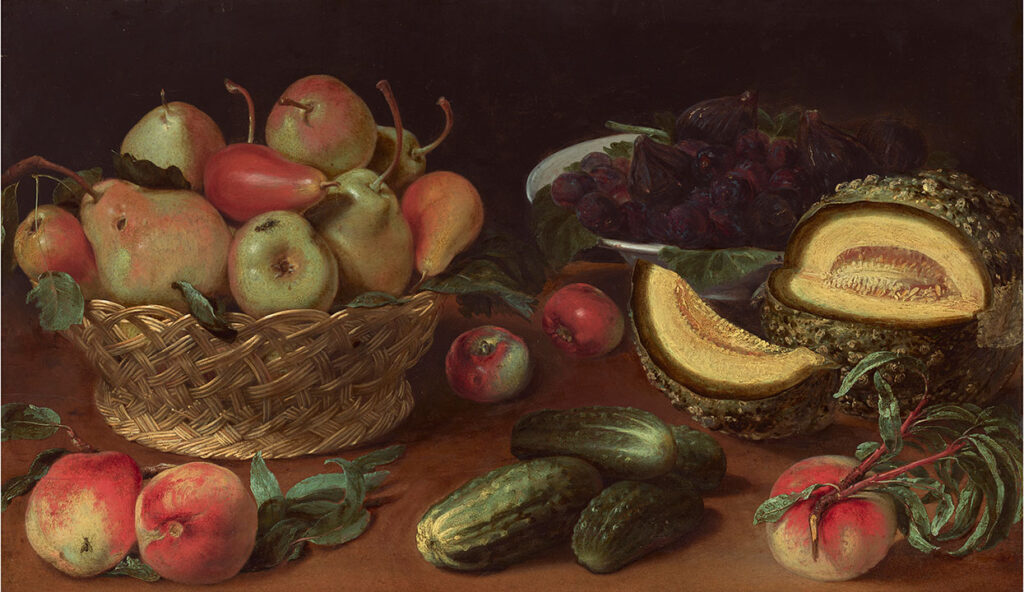
A Feast of Fruit and Flowers: Women Still Life Painters of the Seventeenth Century and Beyond
Still-life painting emerged as a recognized genre in seventeenth-century Europe. Subjects ranged from artfully composed floral arrangements to tables brimming with food. Many of the leading still life painters were women. At a time when there were restrictions on women in terms of the subjects they were able to paint, still life was an acceptable genre, and could be done in the privacy of one’s home. A Feast of Fruit and Flowers explores the important role women artists played in the development of the genre. The exhibition features loans from museums from across the US. It includes about 20 paintings by a variety of artists, among them Fede Galizia, Clara Peeters, Maria Sibylla Merian, and Rachel Ruysch. The show concludes with an epilogue of more modern examples of still life painting, demonstrating that the genre continued to resonate with women artists over time, and evolved to reflect changing eras.
Read the Art Herstory review of the show here.
A Feast of Fruit and Flowers: Women Still Life Painters of the Seventeenth Century and Beyond; The Hyde Collection. October 25, 2025–March 8, 2026.

Anna Ancher: Painting Light
Influenced by her travels to Paris, as well as French Impressionism, Anna Ancher (1859–1935) produced vivid interiors and evocative landscape scenes in which light becomes the central figure. She is widely celebrated in her homeland yet remains relatively unknown to British audiences. The first major exhibition in the UK dedicated to the artist brings together recently discovered paintings from Ancher’s home. They are on view alongside an extensive body of work made throughout the artist’s long career. Overall the exhibition features more than 40 of her paintings, as well as works by four of Ancher’s female contemporaries—Marie Luplau, Emilie Mundt, Marie Sandholdt, and Louise Bonfils. Anna Ancher: Painting Light demonstrates the painter’s bold approach to color and radical interpretation of everyday scenes as a truly pioneering modern painter.
Anna Ancher: Painting Light; Dulwich Picture Gallery. November 4, 2025–March 8, 2026.
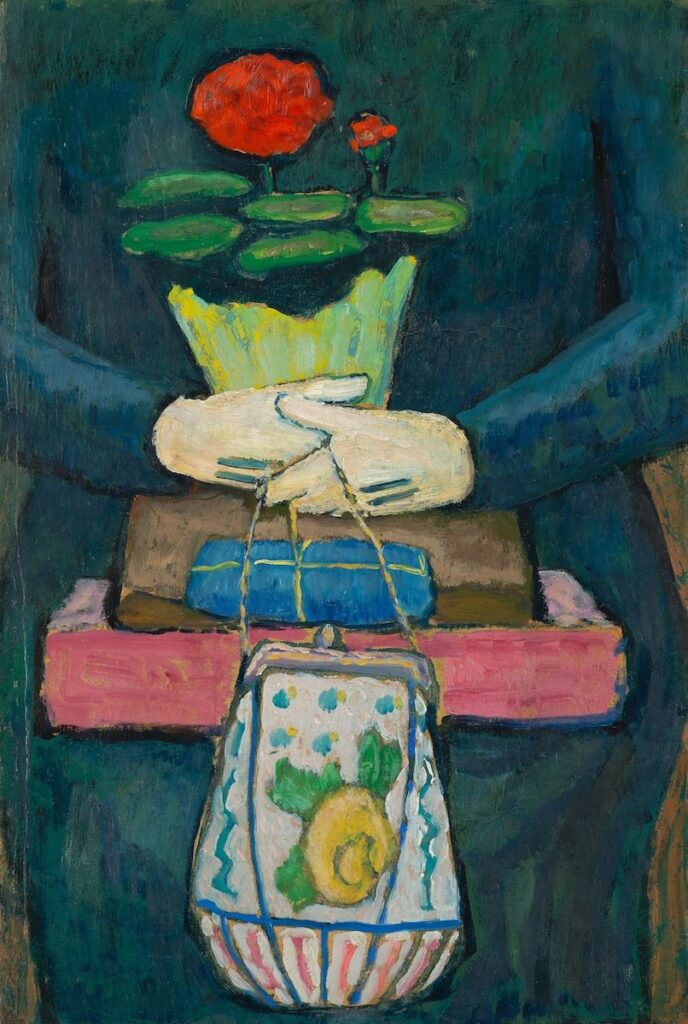
Gabriele Münter: Contours of a World
With her bold planes of vibrant colors, Gabriele Münter reimagined the traditional genres of still life, landscape, and portraiture. Her disruptive practice offered an alternative to the emerging innovations in abstract art that de-emphasized recognizable forms. This landmark exhibition focuses on the years 1908 to 1920, while also underscoring through later works the artist’s sustained drive to experiment and adapt. Featuring 60 paintings and 18 photographs across three Tower galleries, the show illuminates Münter’s groundbreaking and overlooked contributions to modern art.
Gabriele Münter: Contours of a World;Solomon R. Guggenheim Museum. November 7, 2025–April 26, 2026.
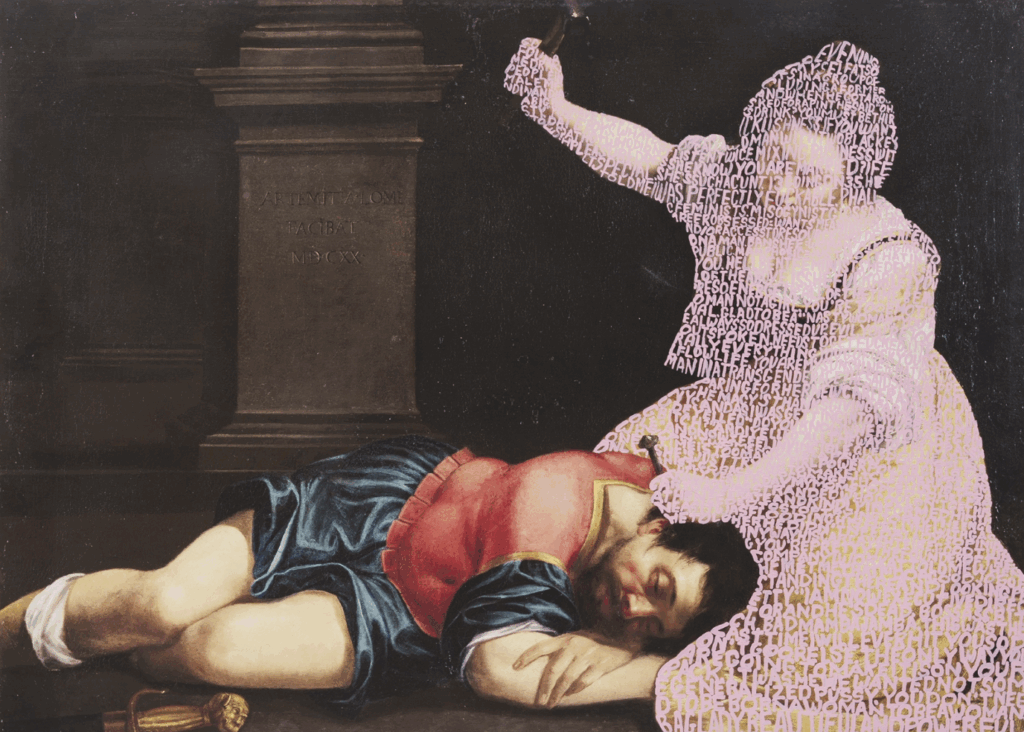
The Woman Question: 1550–2025
Organized by curator and art historian Alison M. Gingeras, this exhibition challenges the notion that women were largely absent from art before the late 1800s. The eight-part visual narrative is a testament to the enduring and dynamic creativity of women artists over the last 500 years. The result is a collection of nearly 200 works, including paintings by Renaissance, Baroque and 19th-century women artists through more contemporary works, offering a centuries-long visual history of women’s “emancipation.”
The Woman Question: 1550–2025; Museum of Modern Art, Warsaw. November 11, 2025–May 3, 2026.
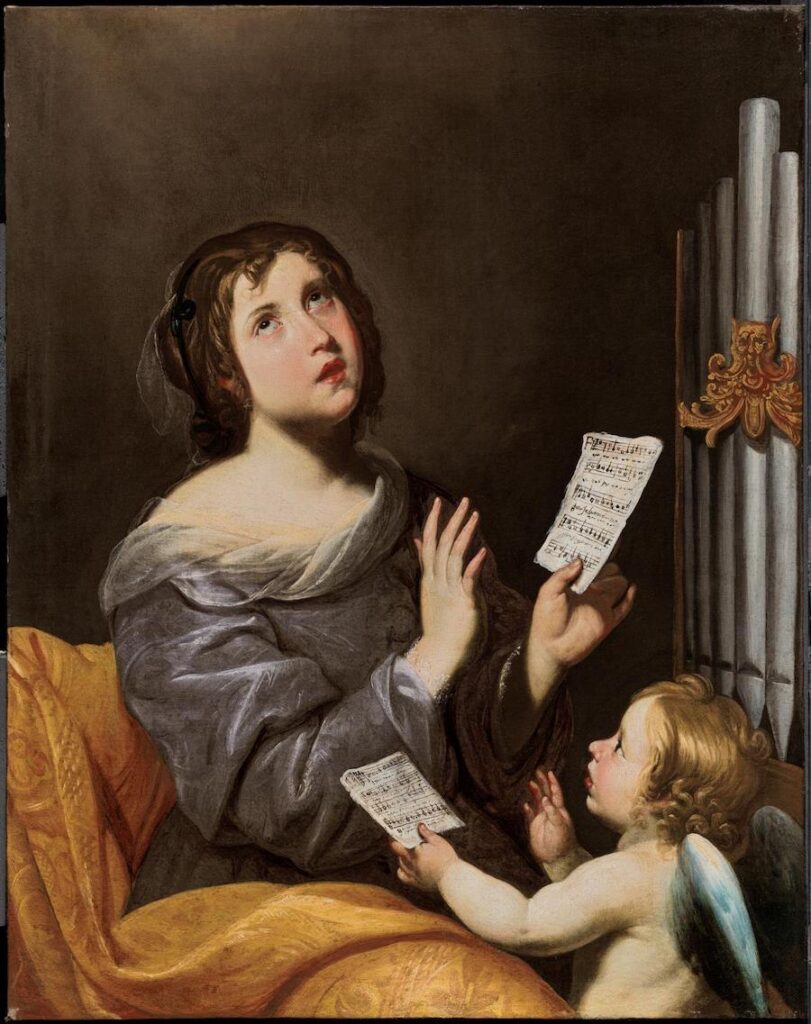
Women in Spanish Naples: Another Seventeenth Century
This show is the first dedicated entirely to the role of women in 17th-century Neapolitan art, a subject that has never before been addressed systematically in an exhibition. Women in Spanish Naples is inspired by the rare but decisive presence in Naples of works by artists from outside the city, such as Lavinia Fontana and Fede Galizia. Key moments include the arrival of Artemisia—represented here with important paintings never before exhibited in Italy—and Giovanna Garzoni’s brief stay in the city. Considerable space is also devoted to Diana de Rosa. The exhibition also highlights lesser-known figures, such as painter and miniaturist Teresa Del Po and wax sculptor Caterina De Iulianis, the latter presented alongside the great Andalusian Baroque sculptor Luisa Roldán. A thematic section is dedicated to the Neapolitan “divas”: internationally acclaimed singer Adriana Basile and theater impresario Giulia De Caro.
Women in Spanish Naples: Another Seventeenth Century; Gallerie d’Italia Naples. November 20, 2025–March 22, 2026.
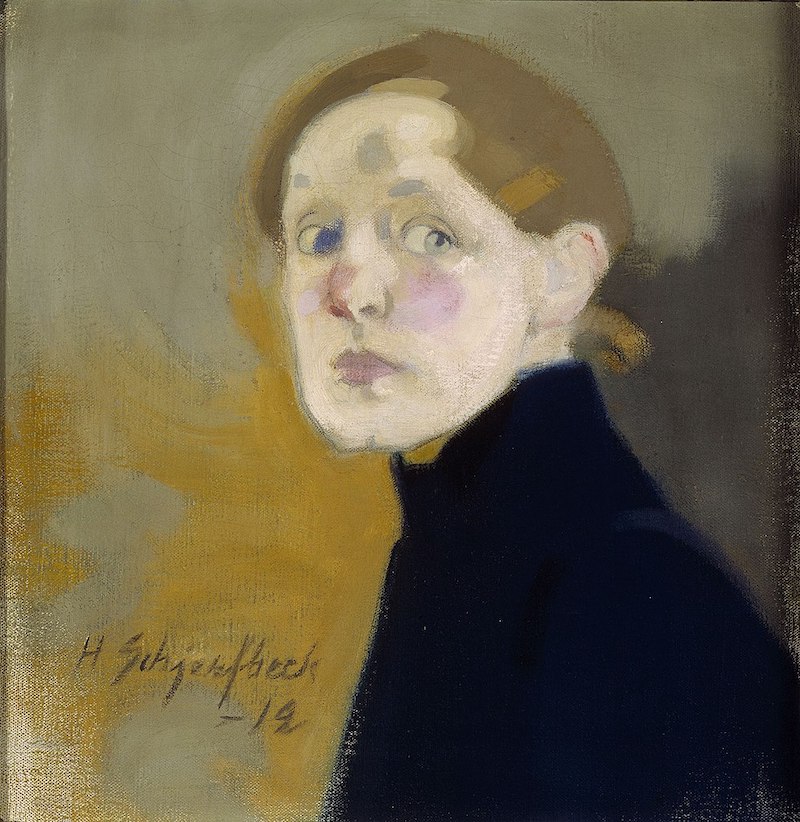
Seeing Silence: The Paintings of Helene Schjerfbeck
Beloved in Nordic countries for her highly original style, Finnish painter Helene Schjerfbeck (1862–1946) is relatively unknown to the rest of the world. Following Schjerfbeck’s journey from art school in Paris to her final days in Sweden, Seeing Silence: The Paintings of Helene Schjerfbeck illustrates her shift from traditional and realistic subjects to a simplified, spare style. In the early 1900s, using her mother and neighbors as models, she painted abstractly, paring down her subjects in form and color and developing a bold, new language. Featuring nearly 60 works—including generous loans from the Finnish National Gallery / Ateneum Art Museum, other Finnish museums, and private collections in Finland and Sweden—Seeing Silence illuminates Schjerfbeck as a valuable voice of modernism.
Seeing Silence: The Paintings of Helene Schjerfbeck; The Metropolitan Museum of Art. December 5, 2025–April 5, 2026.
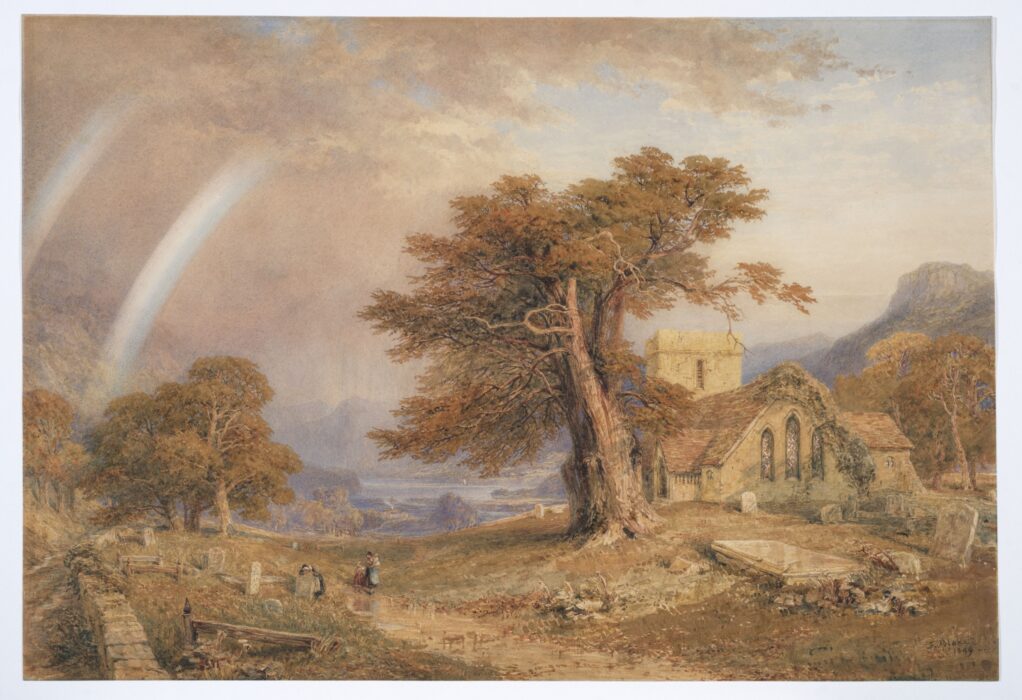
A View of One’s Own: Landscapes by British Women Artists, 1760–1860
A View of One’s Own showcases landscape drawings and watercolors by British women artists working between 1760 and 1860, whose work represents a growing area of The Courtauld’s collection. These artists range from highly accomplished amateurs to those ambitious for more formal recognition. They have remained mostly unknown, and their works largely unpublished. Ten artists are featured in the exhibition. They include Harriet Lister and Lady Mary Lowther, who were among the first to depict the Lake District; Amelia Long, Lady Farnborough, one of the first British artists to travel to France following the Napoleonic Wars; and Elizabeth Batty—whose works appearing in the show were only rediscovered a few years ago.
A View of One’s Own: Landscapes by British Women Artists, 1760–1860; The Courtauld Institute of Art. January 28–May 20, 2026.
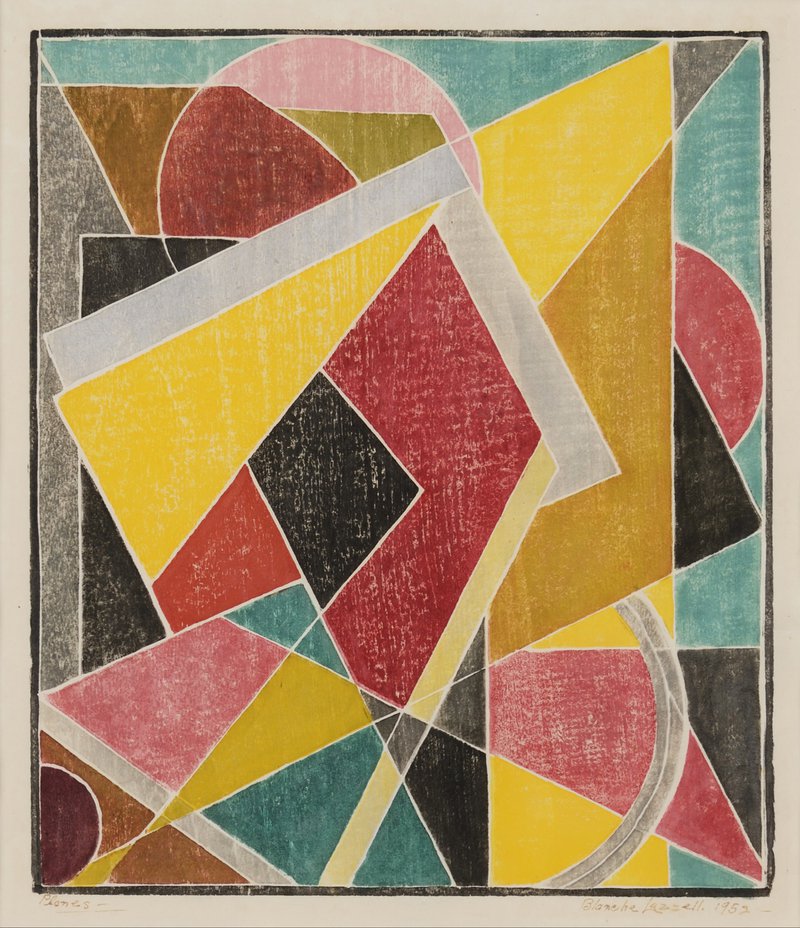
Blanche Lazzell: Becoming an American Modernist
Blanche Lazzell: Becoming an American Modernist surveys the pioneering artist’s lifelong pursuit of translating Modernism into an American art form. The show celebrates her largely unsung achievements in championing abstraction in the United States through painting and printmaking. Including more than 50 paintings, prints, and unique works on paper drawn primarily from the Art Museum of West Virginia University’s permanent collection and supported by Art Bridges, the exhibition centers on a suite of large-scale abstract paintings Lazzell made in the 1920s that were among the most ambitious paintings for any American at the time.
Blanche Lazzell: Becoming an American Modernist; Albany Institute of History and Art. January 31–August 2, 2026. The show is organized by the Art Museum of West Virginia University, with support from Art Bridges. It appeared previously at the Provincetown Art Association and Museum, August 29–January 4, 2026; The Bruce Museum, February 6–April 27, 2025; and the Academy Art Museum, July 30–October 20, 2024.
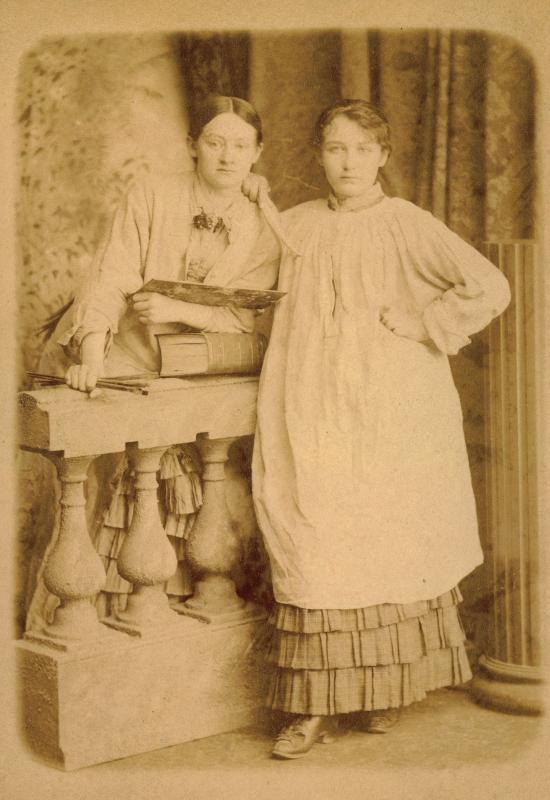
In the Time of Camille Claudel: Being a Sculptress in Paris
Camille Claudel and her work have been the subject of numerous monographic exhibitions, but rarely has attention been given to her artistic and cultural milieu. In particular, women artists who followed a similar path remain largely unknown. Through this project, the Musée Camille Claudel, the Musée des Beaux-Arts de Tours, and the Musée de Pont-Aven aim to bring these figures out of obscurity, showcasing the original creations of exceptional women sculptors—atelier companions, friends, or rivals of Camille Claudel—who shared her vivid imagination and undeniable talent. Alongside the sculptors’ works, their painted or photographic portraits in their studios and letters exchanged between Camille Claudel and her peers will bring to life the network of female artists known to Claudel during her career.
In the Time of Camille Claudel: Being a Sculptress in Paris; Musée des Beaux-Arts de Tours. January 31–June 1, 2026. The show appeared previously at Musée Camille Claudel, September 13, 2025–January 4, 2026. It will run later at Musée de Pont-Aven.
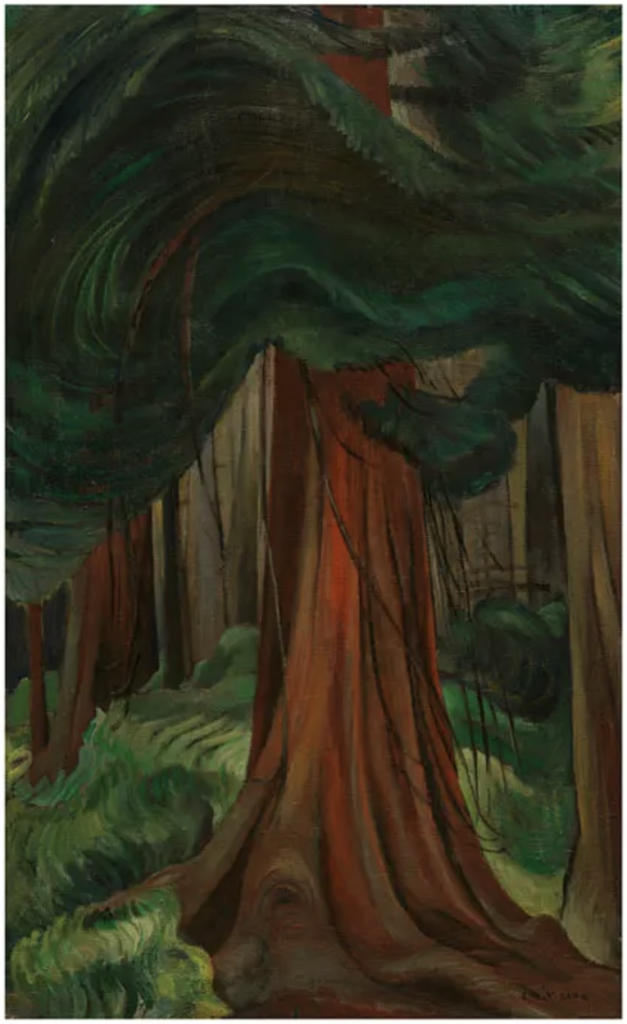
That Green Ideal: Emily Carr and the Idea of Nature
That Green Ideal: Emily Carr and the Idea of Nature is the largest solo exhibition of iconic British Columbia artist Emily Carr (1871–1945) at the Vancouver Art Gallery in over 20 years. It explores in-depth the artist’s obsession with the landscape of the Pacific Northwest, using close analysis of her paintings and writings to investigate how she understood nature and her relationship to it. The exhibition argues that Carr’s landscapes exist at the intersection between an experience of nature and an idea about how to transmit that experience through a painting, with the goal of expressing a divine essence in nature. The exhibition also examines how some of Carr’s representation of Indigenous subjects—particularly villages and totem poles set within landscapes—sit in relation to ideas of the late 19th and early 20th centuries that tend to conflate Indigenous cultures with nature.
That Green Ideal: Emily Carr and the Idea of Nature; Vancouver Art Gallery. February 6–November 8, 2026.
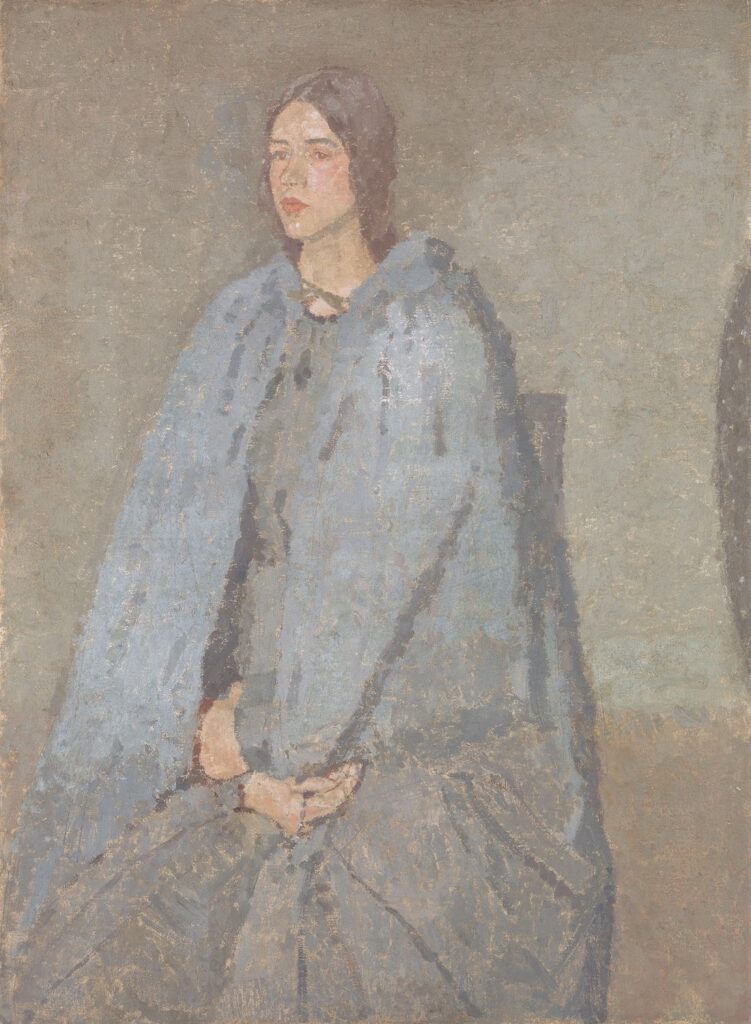
Gwen John: Strange Beauties
Gwen John is one of Wales’ most extraordinary artists. She saw the world differently—quietly, attentively, and with extraordinary depth. That difference shaped everything: her subjects, her method, her colors, her words, her work. Celebrating the painter’s 150th birthday, Gwen John: Strange Beauties is a once-in-a-generation exhibition. Featuring more than 200 works—including numerous oil paintings, drawings, watercolors, and sketchbooks. Gwen John: Strange Beauties reveals new ways of seeing Gwen’s life and art. It celebrates an artist whose vision still feels strikingly modern today.
Gwen John: Strange Beauties; National Museum Cardiff / Amgueddfa Cymru. February 7–June 28, 2026. The exhibition is organized by Amgueddfa Cymru in partnership with National Galleries of Scotland, National Museum of Women in the Arts, and the Yale Center for British Art.
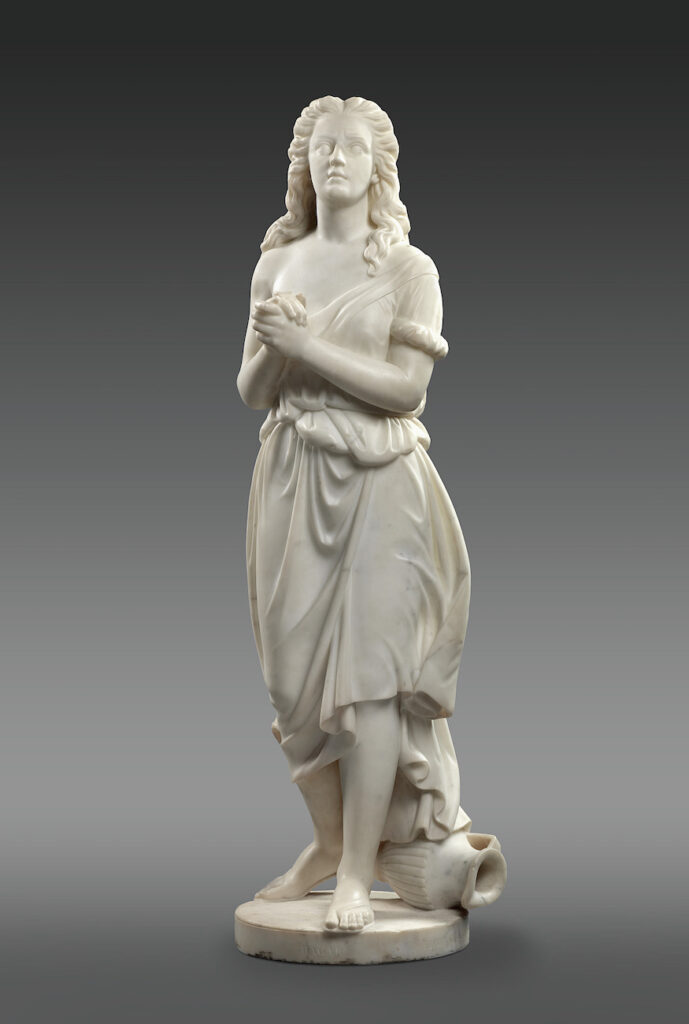
Edmonia Lewis: Said in Stone
Edmonia Lewis became the first sculptor of Black and Indigenous (Mississauga) descent to achieve international recognition. Beginning her career in Boston in 1863, she traveled to Rome in 1866 to join the leading American sculptors of her generation, breaking international, racial and gender barriers. Following her death in 1907, Lewis’ legacy endured in Black communities, yet her contribution to American sculpture has largely been under-recognized. Some of her great masterpieces were rediscovered decades later, while others remain lost today. This exhibition is the first to gather the full range of Lewis’s art alongside works by her contemporaries and the generations of artists she influenced. Together these 100 objects foreground Lewis’s life and work within her worlds and reveal her true mastery of marble.
Edmonia Lewis: Said in Stone; Peabody Essex Museum. February 14–June 7, 2026. The exhibition is co-organized by the Peabody Essex Museum and the Georgia Museum of Art, where it will run August 8, 2026–January 3, 2027. It will also travel to the North Carolina Museum of Art, April 3–July 11, 2027.
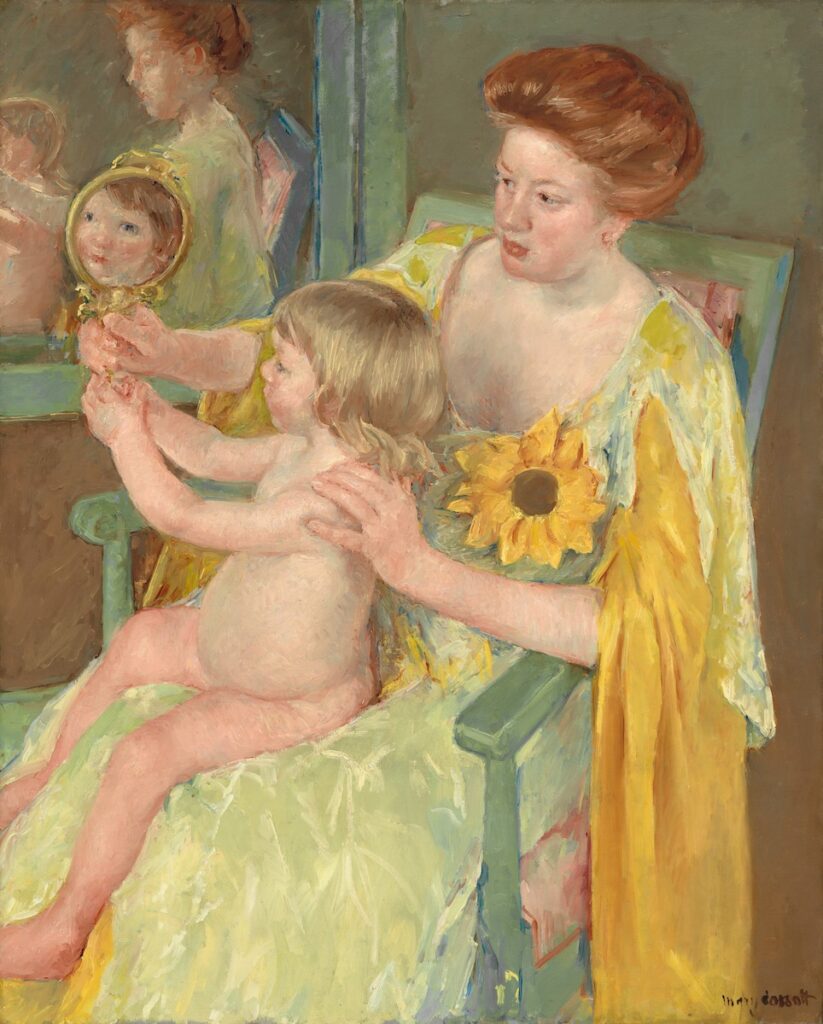
Mary Cassatt: An American in Paris
Mary Cassatt was an impressionist master, one of only three women artists who participated in the movement. Honoring the centennial of her death in 1926, this show celebrates the National Gallery’s unparalleled collection of Cassatt works. This special installation features some 40 works largely drawn from the National Gallery’s collection, including paintings and works on paper. Mary Cassatt: An American in Paris foregrounds how Cassatt’s work across media was mutually informative. The organizers show rarely seen color prints inspired by an exhibition of Japanese woodcuts Cassatt saw in Paris in 1890 alongside preparatory drawings, multiple states, and unique proofs that underscore the development of her complex creative process. In preparation for the exhibition, the National Gallery team have cleaned and studied five Cassatt paintings.
Mary Cassatt: An American in Paris; National Gallery of Art. February 14–August 30, 2026.
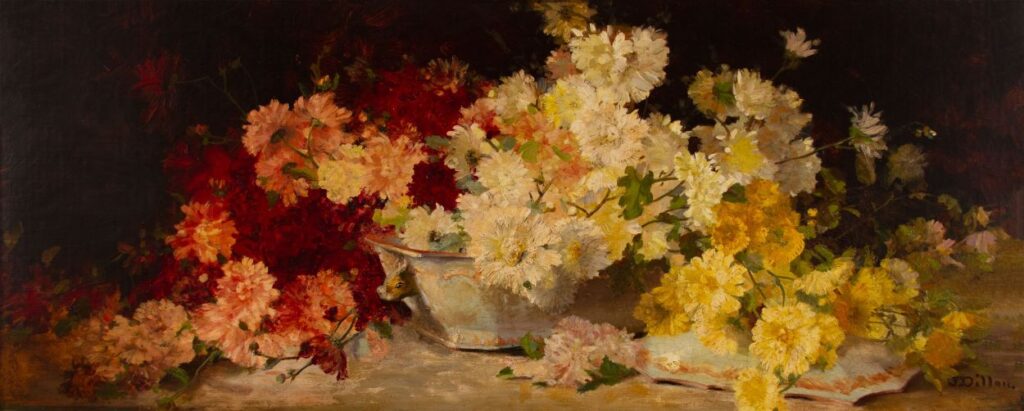
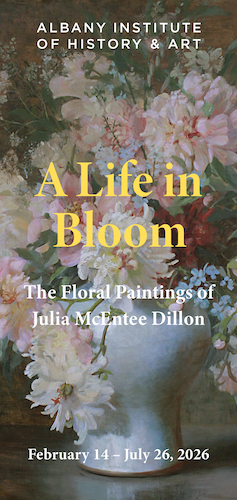
A Life in Bloom: The Floral Paintings of Julia McEntee Dillon
This focused monographic exhibition presents the career of an admired yet underrecognized American painter of the 19th century. Born near Kingston, New York, Julia McEntee Dillon (1834–1919) developed her artistic practice within a vibrant regional network of artists and patrons. She elevated floral painting into a sophisticated and expressive form. She created compositions featuring peonies, roses, and chrysanthemums so vividly rendered that critics remarked they “almost seem to have an odor in them.” A Life in Bloom brings together 32 paintings from public and private collections. The show offers one of the most comprehensive presentations of Dillon’s work.
A Life in Bloom: The Floral Paintings of Julia McEntee Dillon; Albany Institute of History and Art. February 14–July 26, 2026.
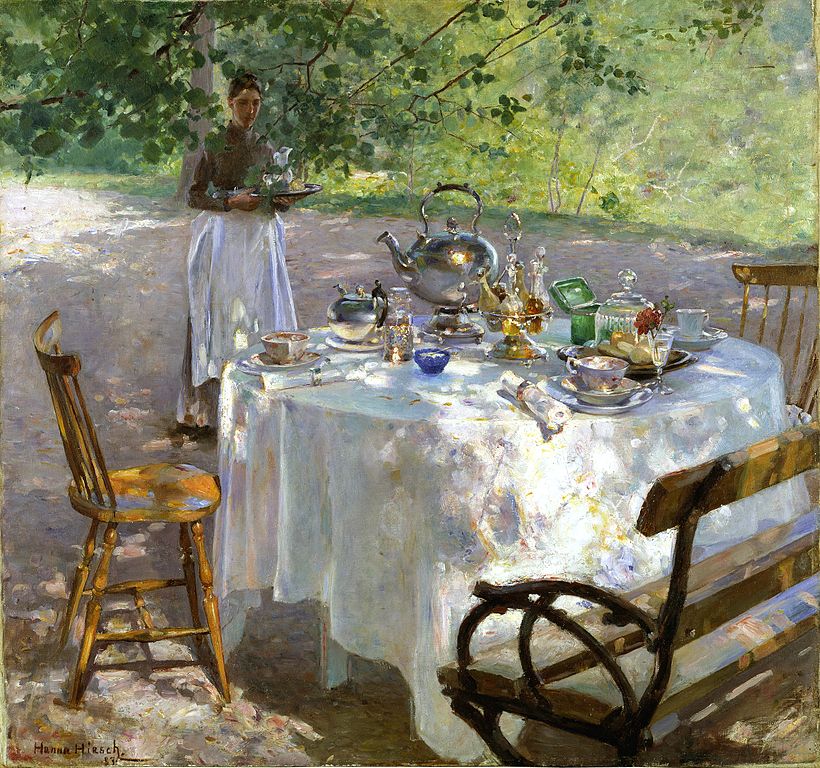
Hanna Hirsch Pauli: The Art of Being Free
This exhibition features Hanna Hirsch Pauli’s best works, created in the course of a long, intensive artistic career that spanned six decades. The exhibition traces Hanna Hirsch Pauli’s artistic development: from her upbringing in an upper-middle-class Jewish family and education at the Swedish Academy of Fine Arts to her years of artistic liberation as a student in Paris. It outlines her marriage to the artist Georg Pauli, her role as mother to three children, and how she made a name for herself as a portrait artist in turn-of-the-century Stockholm. The show includes her landscapes, intimate family pictures and large-scale group portraits, and late self-portraits. It also juxtaposes Hanna Hirsch Pauli and her art with Danish works from the museum’s collection—by painters such as Bertha Wegmann, Peder Severin Krøyer, Agnes Slott-Møller and Viggo Johansen.
Hanna Hirsch Pauli: The Art of Being Free; The Hirschsprung Collection. February 18–August 16, 2026. Previously Nationalmuseum hosted this exhibition from June 19, 2025–January 11, 2026.
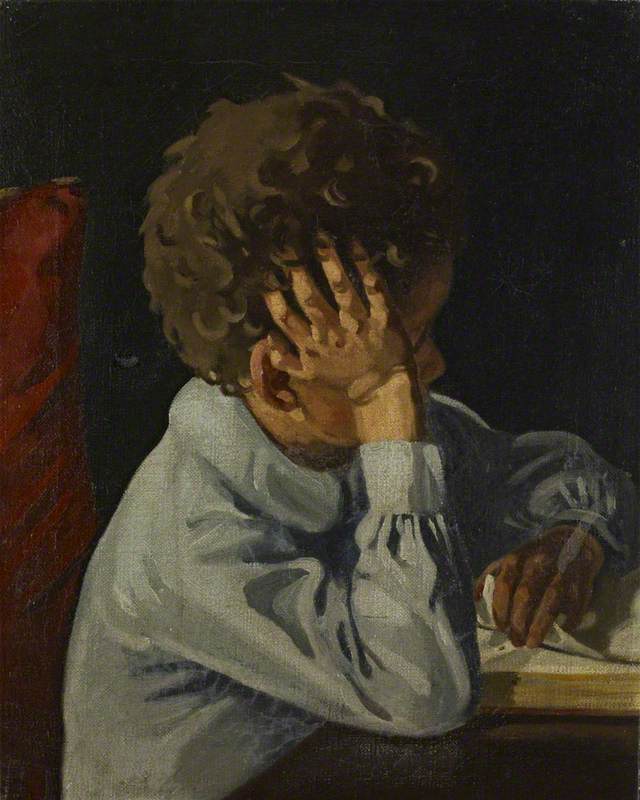
Relative Ties: Mabel Nicholson, Nancy Nicholson, EQ Nicholson and Louisa Creed
Relative Ties celebrates over a century of artistic innovation and inheritance, tracing the work of four women from the celebrated Nicholson family—Mabel Nicholson, Nancy Nicholson, EQ Nicholson and Louisa Creed. The exhibition explores how creativity is woven together through three generations of women artists. Spanning a period of 100 years, Relative Ties brings together artworks, interior designs, paper ephemera, wallpapers, fabrics, and stencils and other tools to offer a unique insight into the working lives of these artists.
Relative Ties: Mabel Nicholson, Nancy Nicholson, EQ Nicholson and Louisa Creed; The Women’s Art Collection. March 6–September 6, 2026.
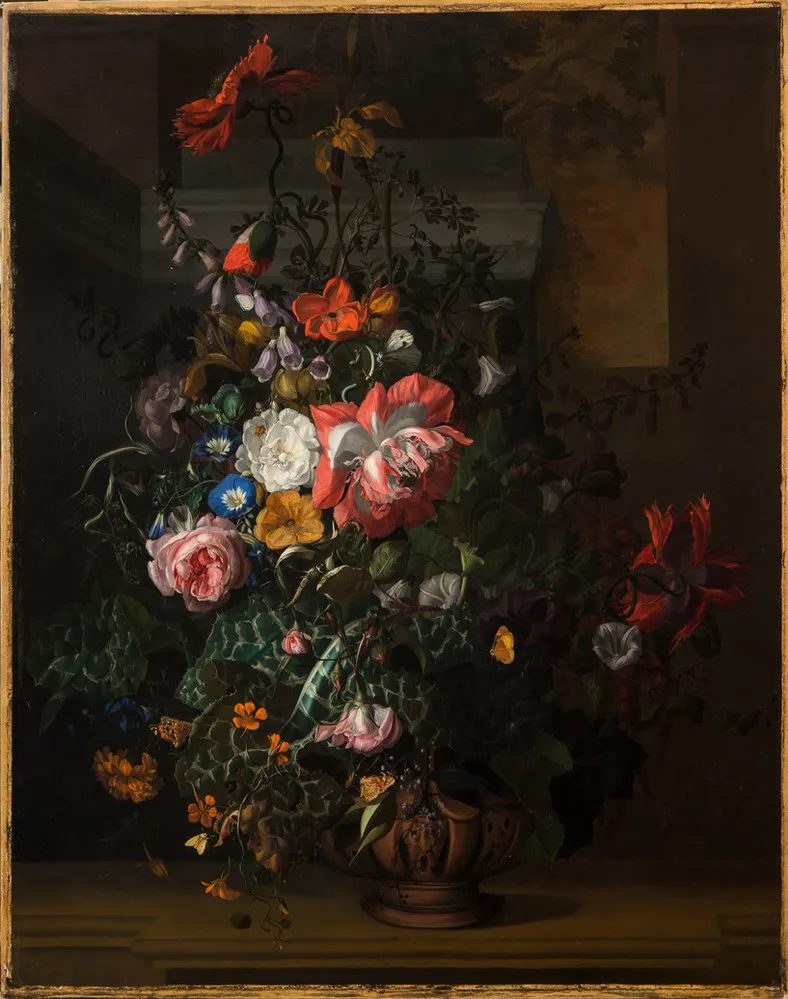
Unforgettable: Women Artists from Antwerp to Amsterdam, 1500–1750
Unforgettable: Women Artists from Antwerp to Amsterdam, 1600–1750 showcases a broad range of work by more than 40 Dutch and Flemish women artists, including Gesina ter Borch, Maria Faydherbe, Anna Maria de Koker, Judith Leyster, Magdalena van de Passe, Clara Peeters, Rachel Ruysch, Maria Tassaert, Jeanne Vergouwen, Michaelina Wautier, and more. Presenting an array of paintings, lace, prints, paper cuttings, embroidery, and sculpture, this exhibition draws on recent scholarship to demonstrate that a full view of women’s contributions to the artistic economy is essential to understanding Dutch and Flemish visual culture of the period.
Read the Art Herstory review of the NMWA version of the show here.
Unforgettable: Women Artists from Antwerp to Amsterdam, 1600–1750; The Museum of Fine Arts in Ghent. March 7–May 31, 2026. The show ran as Women Artists from Antwerp to Amsterdam, 1600–1750 at the National Museum of Women in the Arts (NMWA) from September 26, 2025 to January 11, 2026.
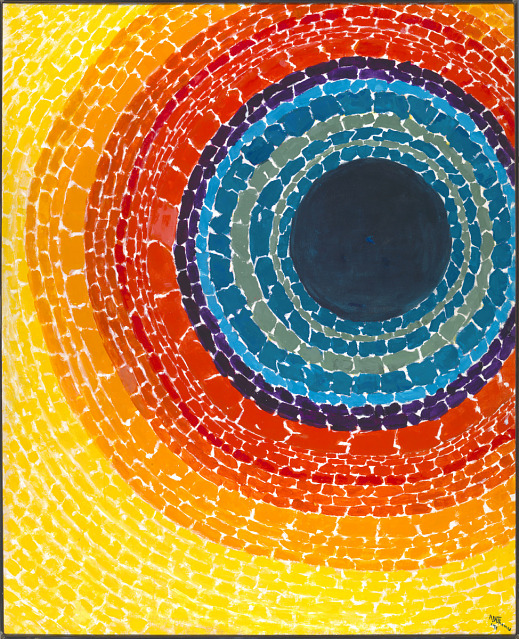
Composing Color: Paintings by Alma Thomas from the Smithsonian American Art Museum
Composing Color: Paintings by Alma Thomas draws on the extensive holdings of the artist’s paintings at the Smithsonian American Art Museum (SAAM) and offers an intimate view of Thomas’s evolving practice during her most prolific period, from 1959 to 1978. At a deeply politicized moment in American life, Thomas’s abiding sources of inspiration became the cosmos, nature, and music. As she stated, “Through color I have sought to concentrate on beauty and happiness, rather than on man’s inhumanity to man.” The exhibition invites visitors to see the world through the eyes of Alma Thomas.
Composing Color: Paintings by Alma Thomas from the Smithsonian American Art Museum; Smart Museum of Art. March 24–July 5, 2026.
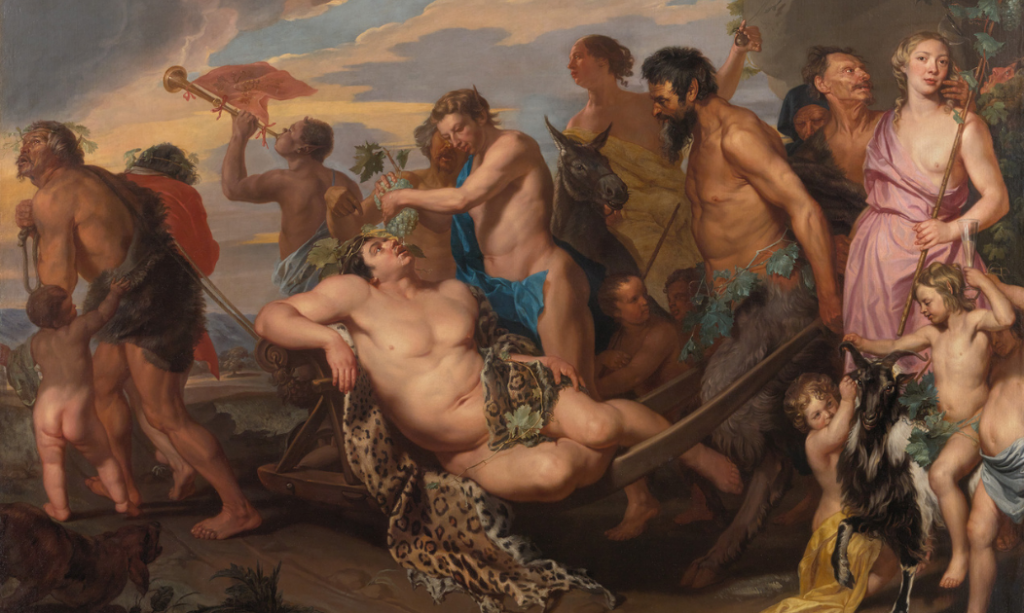
Michaelina Wautier
Active in Brussels in the middle of the 17th century, Michaelina Wautier challenged the limits imposed on female artists at the time by working on an unusually varied range of subjects: from flowers and portraits to grand history paintings—a format usually reserved for her male counterparts. In her most famous painting, The Triumph of Bacchus, she painted herself as a pagan bacchante in monumental scale, looking squarely at the viewer and confidently asserting her position as the maker. Although Wautier was hugely successful in her time, her breathtaking paintings and her place in art history were almost lost in the 18th century. This exhibition restores the painter to her rightful place as one of Europe’s most important artists.
Allison van den Hoek reviewed the exhibition for the Art Herstory blog; read her thoughts here.
Michaelina Wautier; The Royal Academy of Arts. March 27–June 21, 2026. The show ran previously as Michaelina Wautier: Painter at the Kunsthistorisches Museum, Vienna, from September 30, 2025–February 22, 2026.
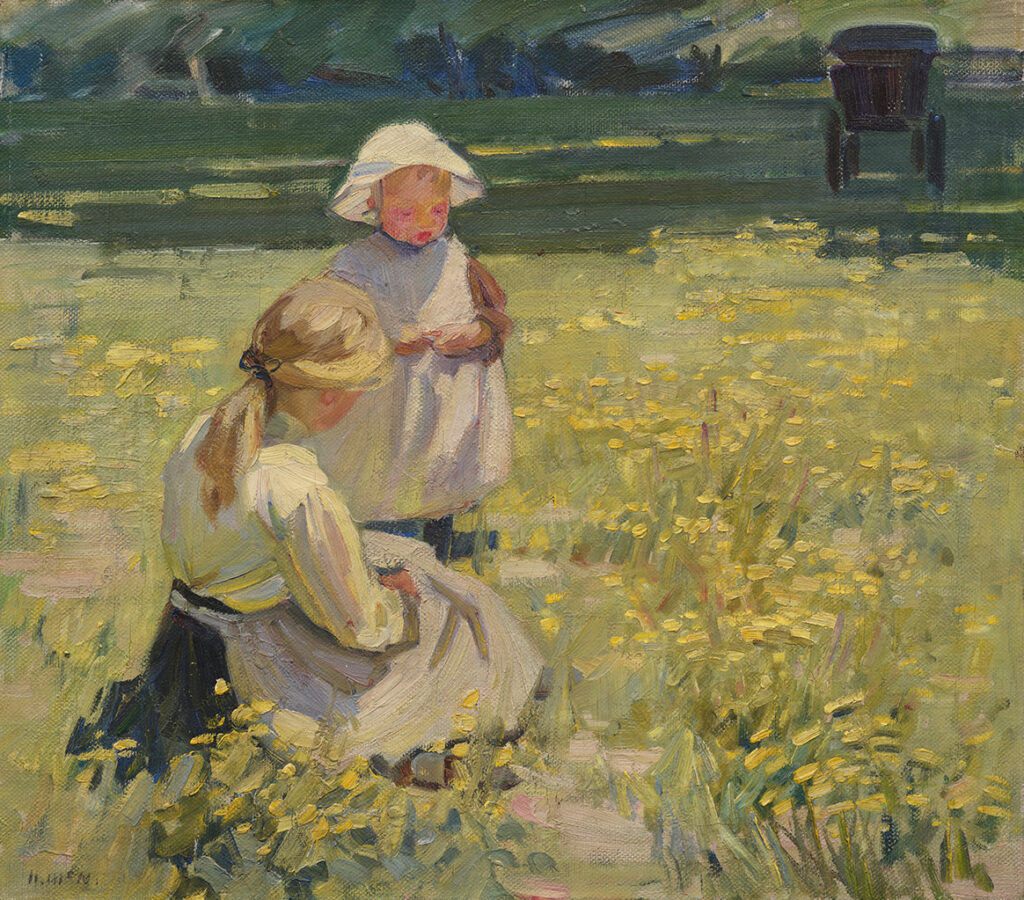
Helen McNicoll: An Impressionist Journey
Adapted for the National Gallery of Canada, Helen McNicoll: An Impressionist Journey highlights the artist’s depictions of work, harvest, and markets; her intimate portrayals of children and domestic life; and her vision of women as independent and socially engaged. The exhibition features more than eighty works—including paintings, sketchbooks, and rare archival materials—illuminating McNicoll’s complex and modern perspective on art and life.
Helen McNicoll: An Impressionist Journey; National Gallery of Canada. May 8–October 12, 2026. Versions of the show ran previously at the Art Gallery of Hamilton, February 15–August 31, 2025; and at the Musée national des beaux-arts du Québec. June 20, 2024–January 5, 2025.
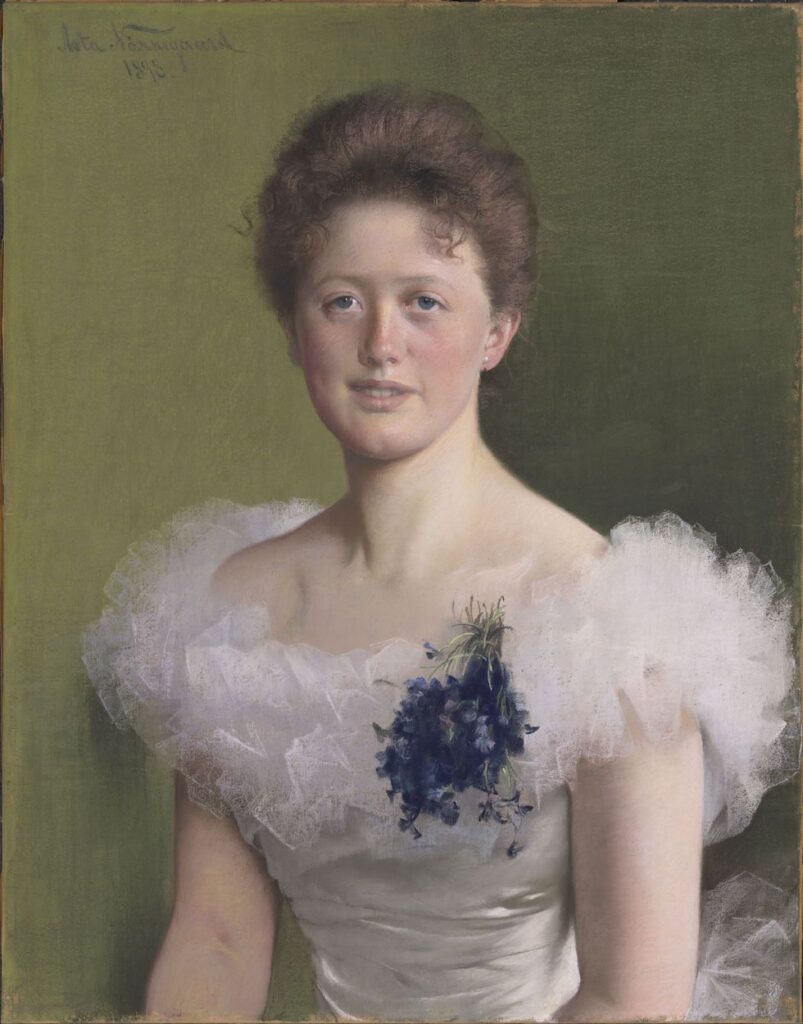
Asta Nørregaard: Truth and Beauty
A contemporary of Harriet Backer and Kitty Kielland, Asia Nørregaard stood out as a portraitist. She also distinguished herself by painting landscapes, religious subjects and interior scenes. Nørregaard established her career at a time when women faced resistance as professional artists. Even so, she was well-educated and studied in Kristiania (Oslo), Munich and Paris. The portrait genre became her specialty, and her list of clients included significant figures in the fields of business and trade, culture, science and women’s rights. Nørregaard became a virtuoso of soft pastel, a demanding medium well-suited to depicting velvet, silk and velure. The exhibition is the first-ever museum exhibition devoted to Asta Nørregaard. It follows her career from the early 1870s to the 1920s, through paintings, drawings, sketch books, clothing and archival material.
Asta Nørregaard: Truth and Beauty; Nasjonalmuseet. 28 May–18 October 2026.

More Women! Works on Paper by Bremen Artists
Paula Modersohn-Becker enjoys worldwide fame today. But who knows her fellow artists, who were also active in the Bremen art scene in the first half of the 20th century: Clara Rilke-Westhoff, Marie Bock, Anna Plate, Margarethe von Reinken, Agnes Sander-Plump, Dora Bromberger, Elisabeth Noltenius, Gustava Tölken and Olga Bontjes van Beek? In comparison to the male-dominated collection of the Kunsthalle Bremen, the Kupferstichkabinett (Department of Prints and Drawings) holds a surprising number of works by female artists from Bremen. This exhibition traces the connections between the artists and their roots in Bremen and the surrounding area.
More Women! Works on Paper by Bremen Artists; Kunsthalle Bremen. July 22–November 8, 2026.
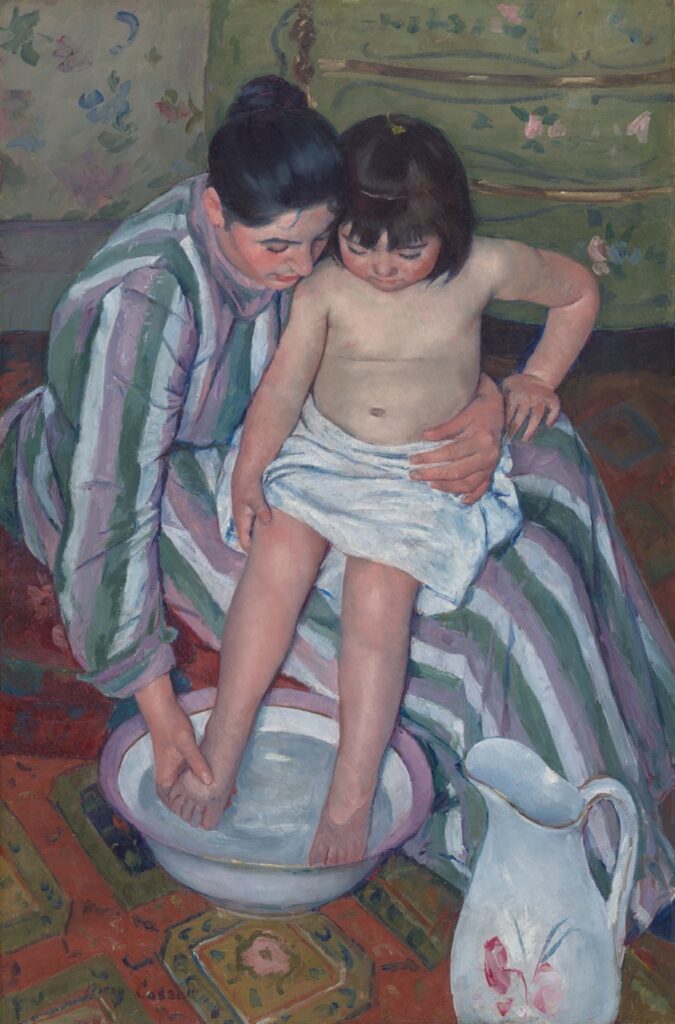
Mary Cassatt: After Impressionism
Mary Cassatt: After Impressionism is the first exhibition at the Art Institute dedicated to the fiercely independent female maker in more than 25 years. Marking the centennial of her death, the show examines her paintings, pastels, and prints of this pivotal period when she took her art making in new directions. It features over 75 paintings, works on paper, and ephemera on her mural (now unlocated and presumably destroyed). The presentation shifts the focus beyond the artist’s contributions as an Impressionist to give due attention to her bold innovations to come, showcasing Cassatt’s modernist aesthetics, breakthroughs, and lasting impact on both sides of the Atlantic.
Mary Cassatt: After Impressionism; Art Institute of Chicago. September 6, 2026–January 3, 2027.

Eva Gonzales (1847–1883)
Supported by her family and friends, Eva Gonzalès (1847–1883) forged her own path in the 19th century. The aim of this exhibition is to introduce the public to an artist who is all too often perceived as a marginal figure in art history. It does so in the context of the three people who fostered her talent and brought her work to life: Jeanne Gonzalès, her sister; Henri Guérard, her husband; and above all, Édouard Manet, the mentor she chose for herself and who shared her vision of innovative painting. This exhibition of Éva Gonzalès, a renowned yet discreet painter, traces the short life of an artist surrounded by the love of her family. The show gives ample space to her private life and to the light yet determined manner in which she created her works.
Eva Gonzales (1847–1883); Petit Palais. September 15, 2026–January 24, 2027.
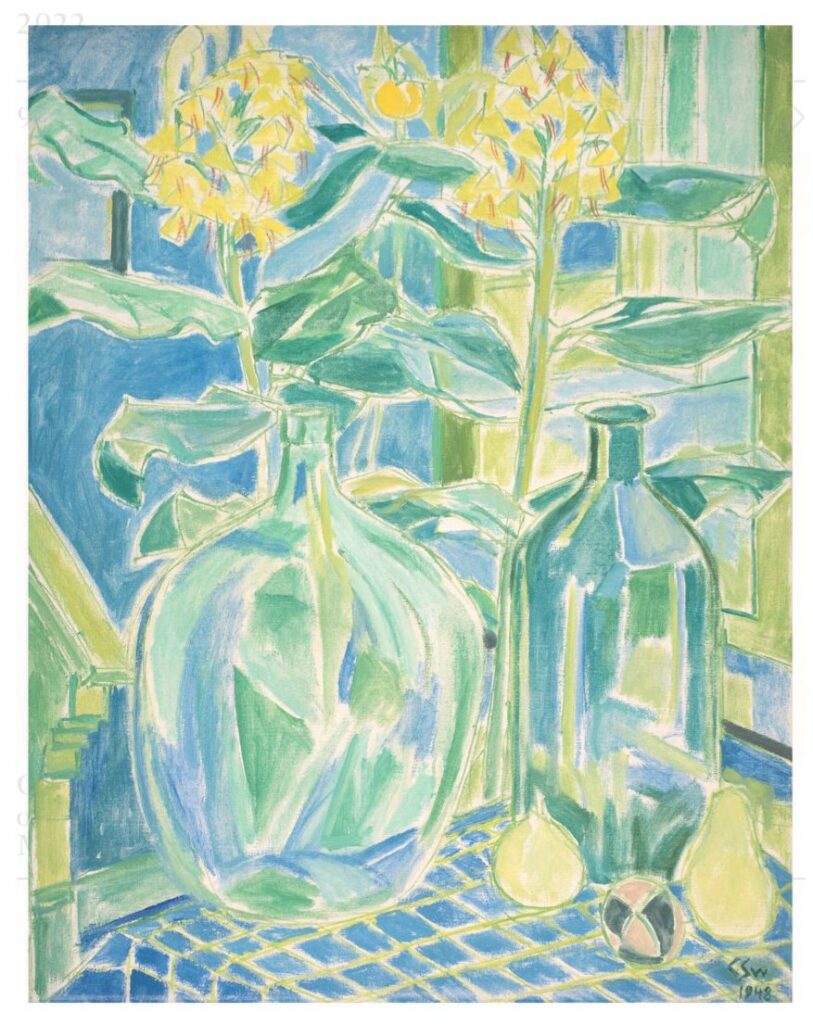
Christine Swane
This major special exhibition about Christine Swane (1876–1960) marks the 150th anniversary of the artist’s birth. Swane is one of a kind in Danish art, and her art was nurtured by great will and talent for continuous development. Her biography and artistic life was a journey from a provincial bourgeoisie and the young art scene in Funen in the 1890s, through periods of change in Copenhagen in the early 20th century to becoming an original artist in her own right from the 1920s to the 1950s. The exhibition focuses on the many years of experimentation in Swane’s art. It presents the breadth of an oeuvre where culture, nature and everyday life are woven together in artistic interpretations in painting, ceramics, textiles and monumental decorations.
Christine Swane; Nivaagaards Malerisamling. September 24, 2026–January 31, 2027. The show is co-organized by the Johannes Larsen Museum and Ribe Art Museum.
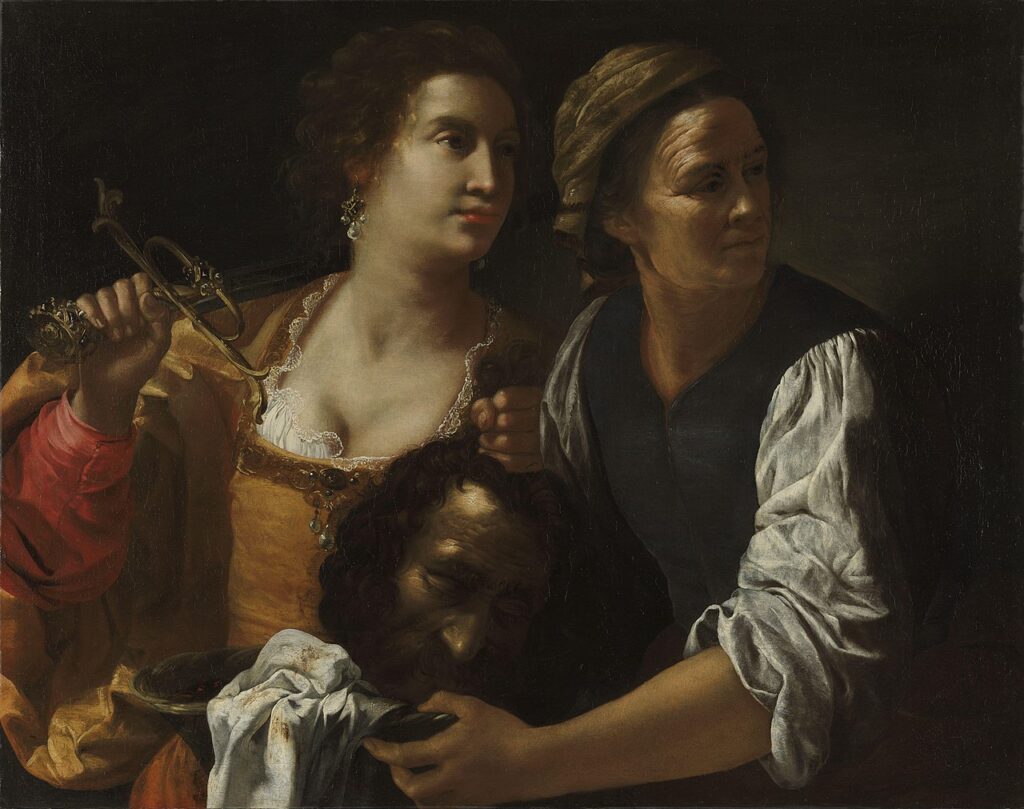
𝚆̶𝚘̶𝚖̶𝚊̶𝚗̶ Painter
Between 1550 and 1650, several women in Italy and Northern Europe managed to establish themselves as successful artists. Their achievements were the results of deliberate strategies that allowed them to gain access to a profession dominated by men. This exhibition focuses on how these women worked as artists. It explores the varied forms of artistic education available to them—from training in the family’s workshop (particularly by the father) to self-taught methods, guild education in Northern Europe, education in convents, and, more rarely, formal academic training. The show features works by Sofonisba Anguissola, Artemisia Gentileschi, Lavinia Fontana, Clara Peeters and Judith Leyster, among others. It provides a rare opportunity to explore a lesser-known part of art history—a period in which female artists created significant works in a field dominated by men.
𝚆̶𝚘̶𝚖̶𝚊̶𝚗̶ Painter; Nasjonalmuseet. October 8, 2026–February 7, 2027. The show is a collaboration between the Galleria Borghese in Rome and Oslo’s National Museum, so hopefully we will soon have dates for a Rome version of this exhibition.
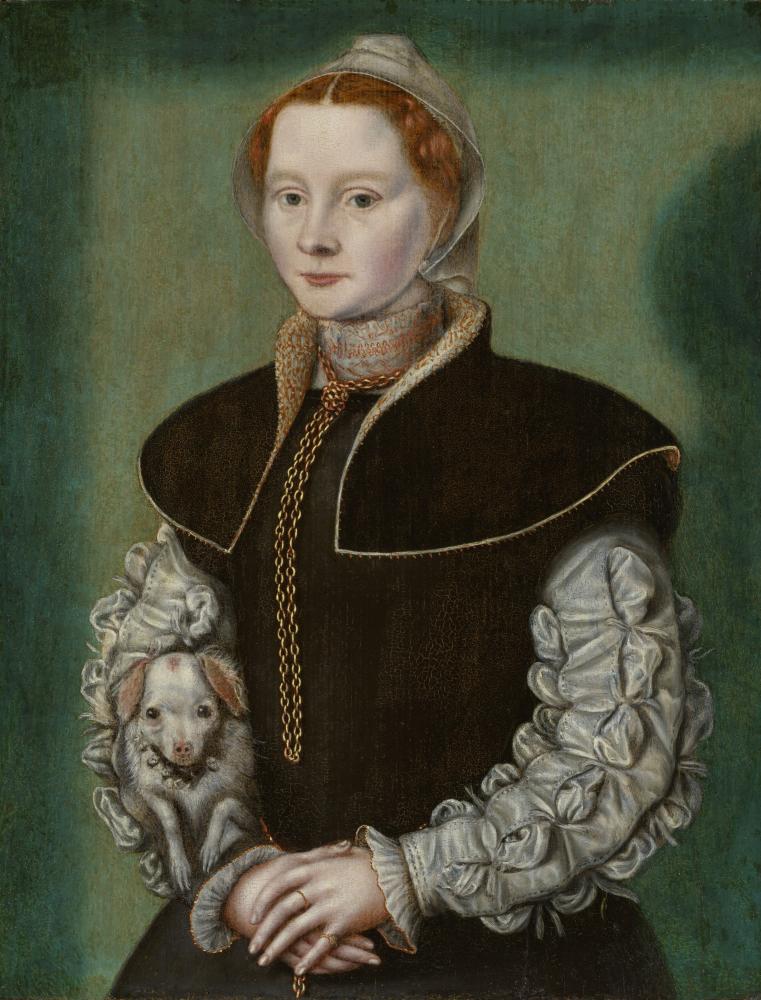
Van Hemessen & Father: The Antwerp Workshop of Jan and Catharina van Hemessen
Snijders&Rockoxhuis proudly presents the very first retrospective dedicated to the 16th-century Van Hemessen family. This exhibition brings a forgotten lineage of artistic pioneers back into the spotlight and rewrites the story of the Antwerp Renaissance from a fresh and unexpected perspective: that of a creative family enterprise where father, sons, and daughter collaborated, experimented, and left a lasting mark on art history. Catharina van Hemessen’s small-scale paintings reveal both technical mastery and remarkable psychological depth. The exhibition brings together a substantial selection from her small yet impressive oeuvre: intimate portraits and religious scenes in which her refined touch can be appreciated up close.
Van Hemessen & Father: The Antwerp Workshop of Jan and Catharina van Hemessen; The Snijders&Rockox House Museum. October 15, 2025–January 31, 2027. The show is co-organized by the Snijders&Rockox House Museum and London’s National Gallery, where it will run as Catharina van Hemessen from March 4–May 30, 2027.
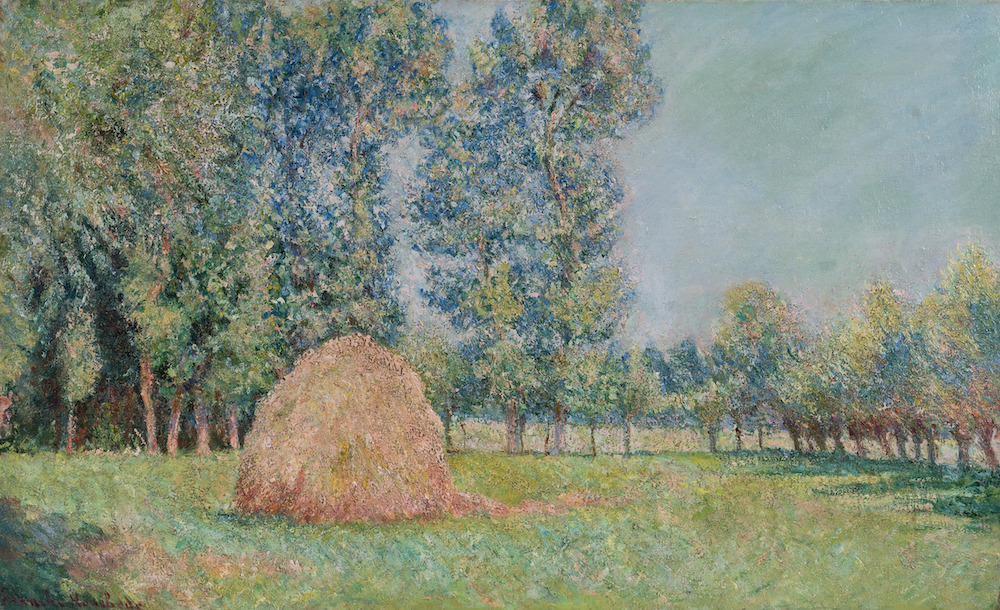
Women Impressionists and the Land
Comprising around 70 works in different media, this exhibition is the first to focus on landscape and nature imagery in the work of the women Impressionists. The show explores the way in which landscape and nature imagery contributed to the rise in status of women artists in France during the years 1860–1910. Women Impressionists and the Land focuses particularly on Berthe Morisot, Mary Cassatt, Marie Bracquemond, and Blanche Hoschedé-Monet. It also includes related works by officially recognized Salon artists, such as Rosa Bonheur. The exhibition examines favored iconographical themes, such as the painting of marine and agricultural scenes, and parks and gardens. Central is imagery of a domesticated nature, such as Morisot’s paintings of the Bois de Boulogne, Bracquemond’s pictures at Sèvres, and Cassatt’s views at the Château de Beaufresne after 1894.
Women Impressionists and the Land; Saint Louis Art Museum. October 17, 2026–January 10, 2027.
Remember: we will be adding entries to this list as art museums announce new 2026 shows! Keep checking back …
Past Exhibitions
Michaelina Wautier: Painter
The Kunsthistorisches Museum Vienna is dedicating its 2025 autumn exhibition to Michaelina Wautier, who is regarded as one of the foremost female artists of the 17th century. The exhibition offers visitors the opportunity to discover almost the entire oeuvre of this outstanding artist alongside works by contemporaries such as Peter Paul Rubens and Anthony van Dyck.
Allison van den Hoek reviewed the exhibition for the Art Herstory blog; read her thoughts here.
Michaelina Wautier: Painter; Kunsthistorisches Museum, Vienna. September 30, 2025–February 22, 2026.
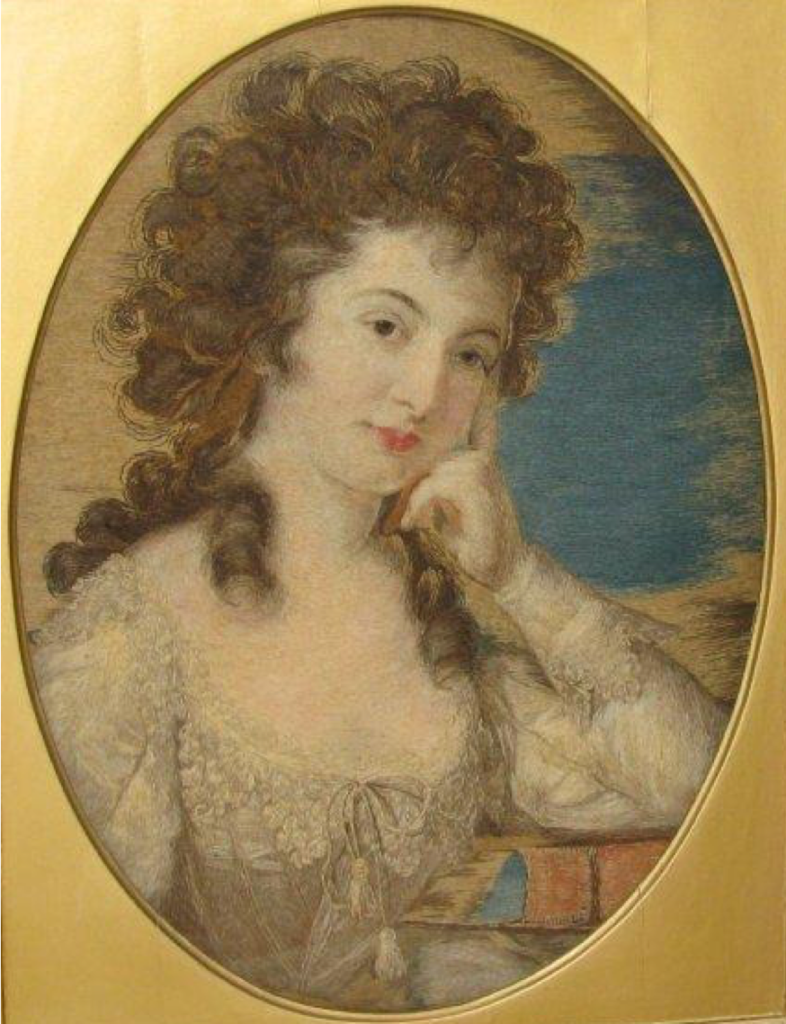
Mary Linwood: Art, Stitch and Life
Leicester’s Mary Linwood was a celebrity artist in the early 1800s. She created detailed embroidered versions of famous British paintings using a technique known as needle painting. Linwood was not only a talented artist but also an innovator and entrepreneur. Alongside running a successful school for young ladies in Leicester, she exhibited her embroidered works in touring exhibitions and established the first gallery in London to be run by a woman. In her lifetime, she was supported by the wealthy and powerful, and was widely respected and well known. Since her death, however, she has been overlooked and undervalued. This exhibition is the first retrospective of Mary Linwood’s work since 1945, featuring 14 embroidered works from the Leicester Museums collections. Alongside these historic pieces are new textile artworks by artist Ruth Singer, reflecting on Linwood’s life and legacy.
Mary Linwood: Art, Stitch and Life; Leicester Museums and Galleries. September 13, 2025–February 22, 2026.
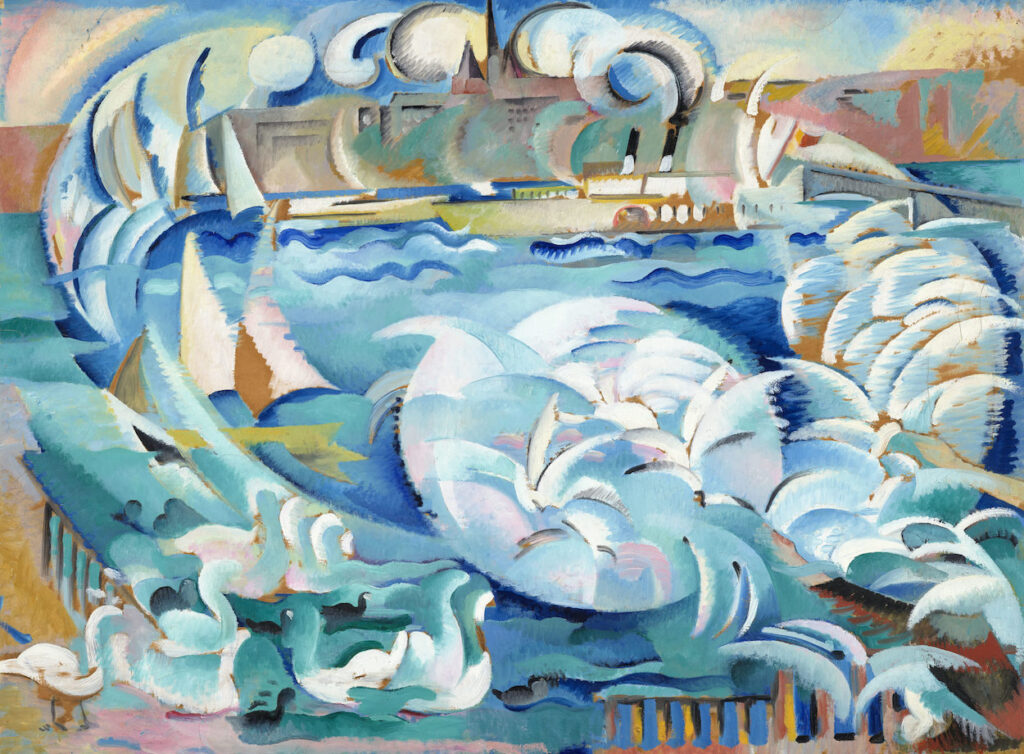
Alice Bailly
Swiss artist Alice Bailly lived in Paris from 1906 to 1914, where she developed her own distinctive futurist and Cubist approaches. In 1918–19, she took part in Dada events in Zürich and joined the “Das Neue Leben” group. It was during this period that she created her innovative wool pictures (“tableaux-laine”), which are now being shown at the Kunsthaus. Working in Lausanne from 1923 onwards, Bailly retained contacts in German-speaking Switzerland. She was regarded as one of the most modern artists of her time, rejecting gender-specific categorization and traditional female roles.
Alice Bailly; Kunsthaus Zürich. October 31, 2025–February 15, 2026.
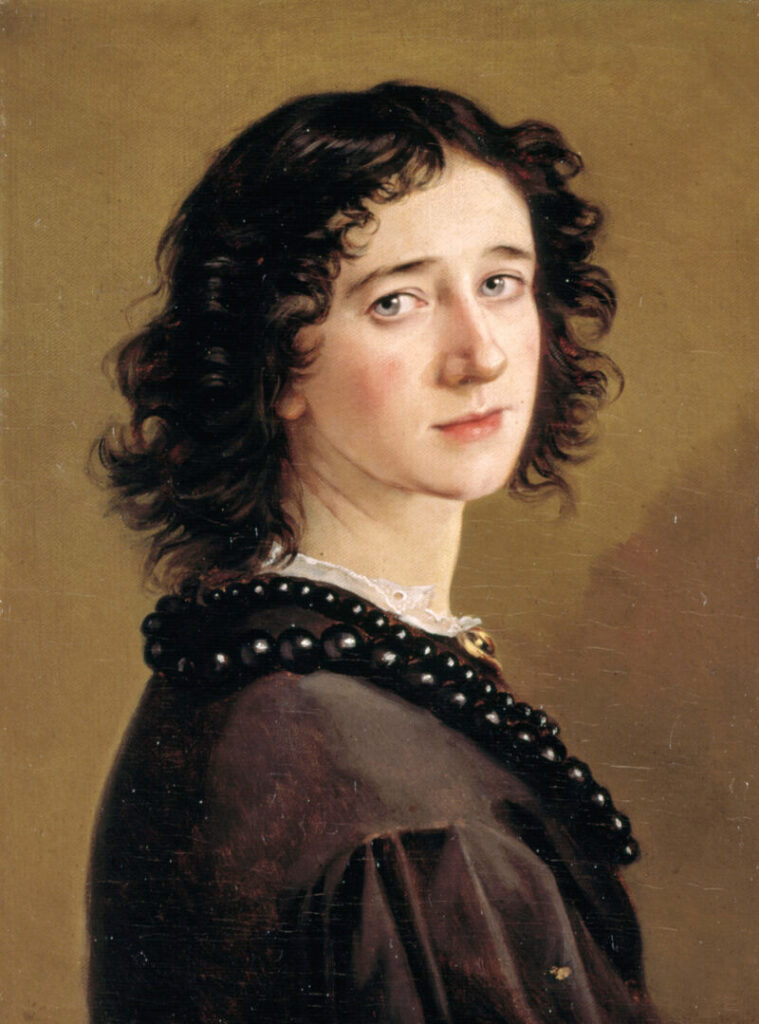
Women Artists! From Monjé to Münter
This show offers insight into around 100 years of female artistic creation in Düsseldorf—a city that was a beacon for women artists from all over Europe in the 19th century, even though the doors of the art academy remained closed to them. Following a multi-year research project, this large-scale special exhibition is the first of its kind to comprehensively examine the lives and works of 31 women who were involved in the arts in Düsseldorf during this period. Women Artists! From Monjé to Münter constitutes a (re)discovery that has rewritten a chapter of art history.
Women Artists! From Monjé to Münter; Kunstpalast Düsseldorf. September 25, 2025–February 1, 2026.
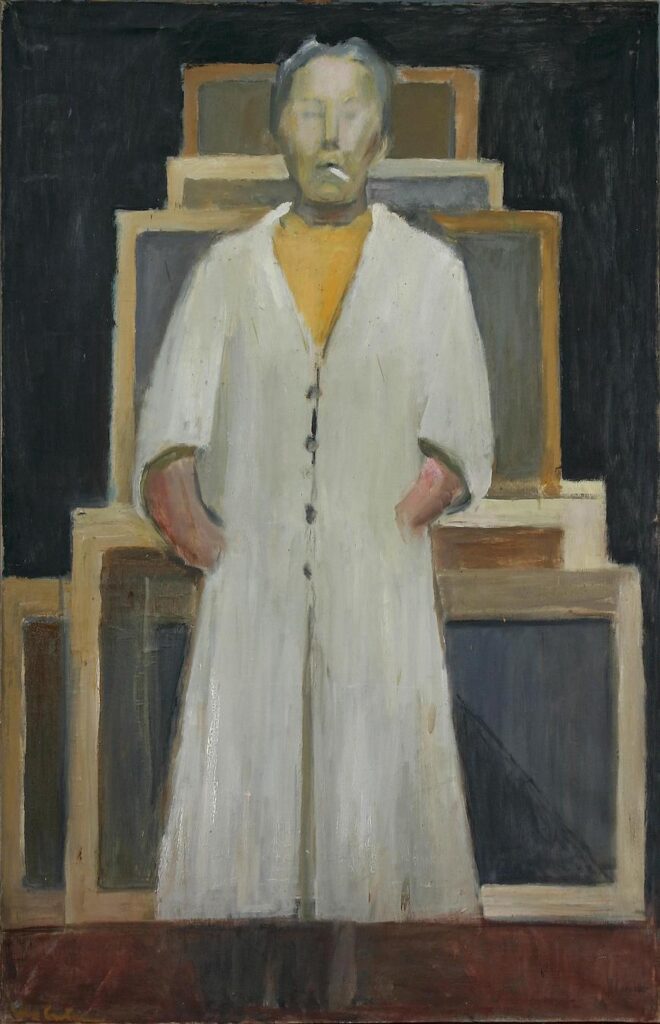
Ebba Carstensen: Painting for Imagination
Hailed in her time as “Denmark’s most controversial—heretical and admired—painter,” Ebba Carstensen is one of the underrated main names of Danish modernism. She broke through in the turbulent years of the interwar period, when she was part of the young, groundbreaking generation of primarily male artists who allowed Cubism and Expressionism to take root in Danish art. Together with her male colleagues, she challenged the judges of taste of the time with her raw and rebellious approach to materials, form and color. Carstensen’s career spanned seven decades. More than 200 of her works are in the collections of Danish art museums. Yet today she is all but forgotten. This exhibition, a collaboration with Sorø Art Museum and Øregaard Museum, shows Ebba Carstensen’s work with form and color and places her as one of the central figures in Danish modernism.
Ebba Carstensen. Painting for Imagination; Ribe Kunstmuseum. October 11, 2025–January 18, 2026. The show then moves to Sorø Art Museum, where it will run March 13–June 14, 2026. And from September 17, 2026–January 13, 2027, it will be on view at Øregaard Museum.
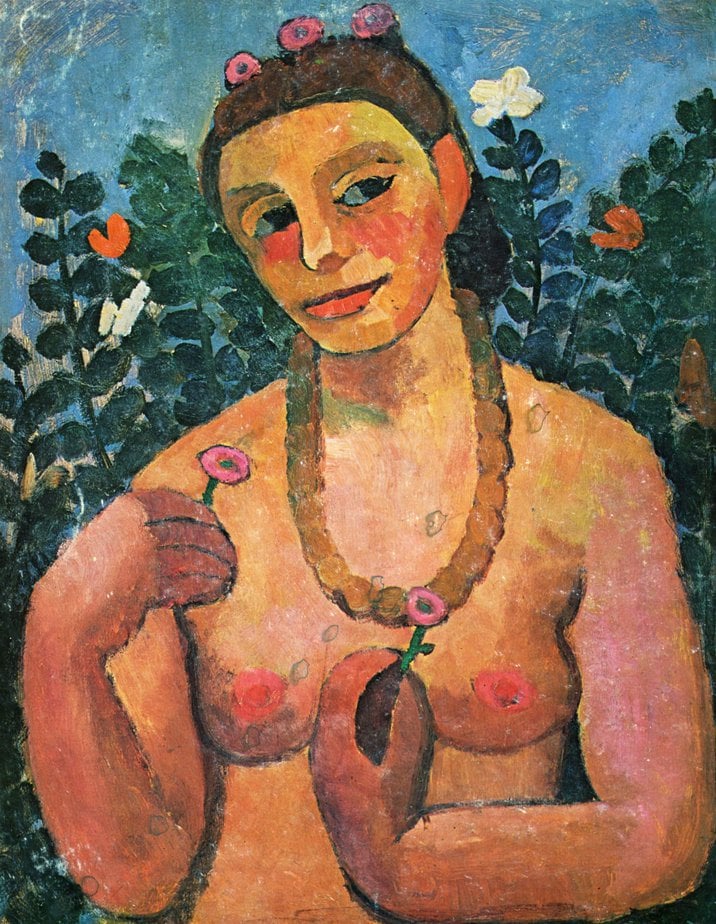
Paula Modersohn-Becker and Her Companions: The Indivisible Sky
In the ten years between her arrival in Worpswede and her death at age 31, Paula Becker, later Modersohn-Becker, created an unparalleled body of work. During this time, she transformed from a little-noticed “art student” into a trailblazing pioneer of modernism and a forerunner of female self-determination. Through her art and her straightforward approach to life, she set an example that continues to resonate today. Paula Modersohn-Becker is now celebrated both in Germany and around the world. On the occasion of the 150th anniversary of her birth, the four Worpswede museums—Barkenhoff, Große Kunstschau, Haus im Schluh, and Worpsweder Kunsthalle—showcase the painter where it all began: in the artists’ village of Worpswede and among her companions.
Paula Modersohn-Becker and Her Companions: The Indivisible Sky; Worpsweder Museen. June 29, 2025–January 18, 2026.
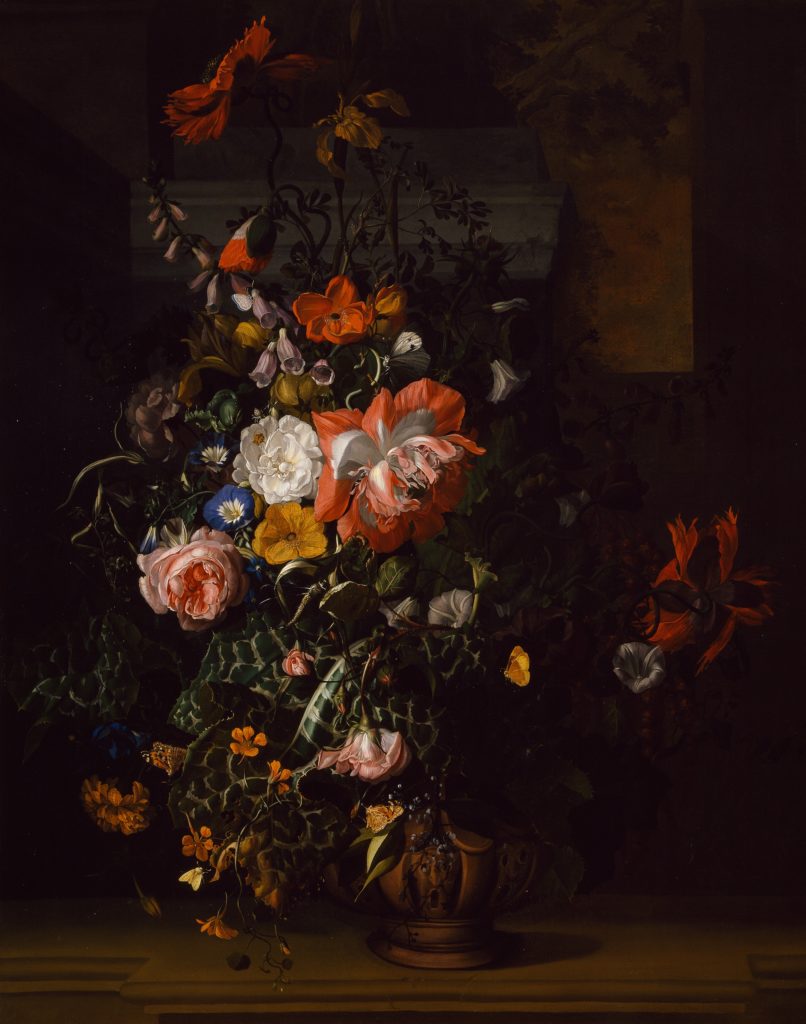
Women Artists from Antwerp to Amsterdam, 1500–1750
Women Artists from Antwerp to Amsterdam, 1600–1750 showcases a broad range of work by more than 40 Dutch and Flemish women artists, including Gesina ter Borch, Maria Faydherbe, Anna Maria de Koker, Judith Leyster, Magdalena van de Passe, Clara Peeters, Rachel Ruysch, Maria Tassaert, Jeanne Vergouwen, Michaelina Wautier, and more. Presenting an array of paintings, lace, prints, paper cuttings, embroidery, and sculpture, this exhibition draws on recent scholarship to demonstrate that a full view of women’s contributions to the artistic economy is essential to understanding Dutch and Flemish visual culture of the period. The show is organized in partnership with the Museum of Fine Arts in Ghent, Belgium.
Women Artists from Antwerp to Amsterdam, 1600–1750; National Museum of Women in the Arts. September 26, 2025–January 11, 2026. The Museum of Fine Arts in Ghent will host this exhibition as Unforgettable: Women Artists from Antwerp to Amsterdam, 1600–1750 from March 7–May 31, 2026.
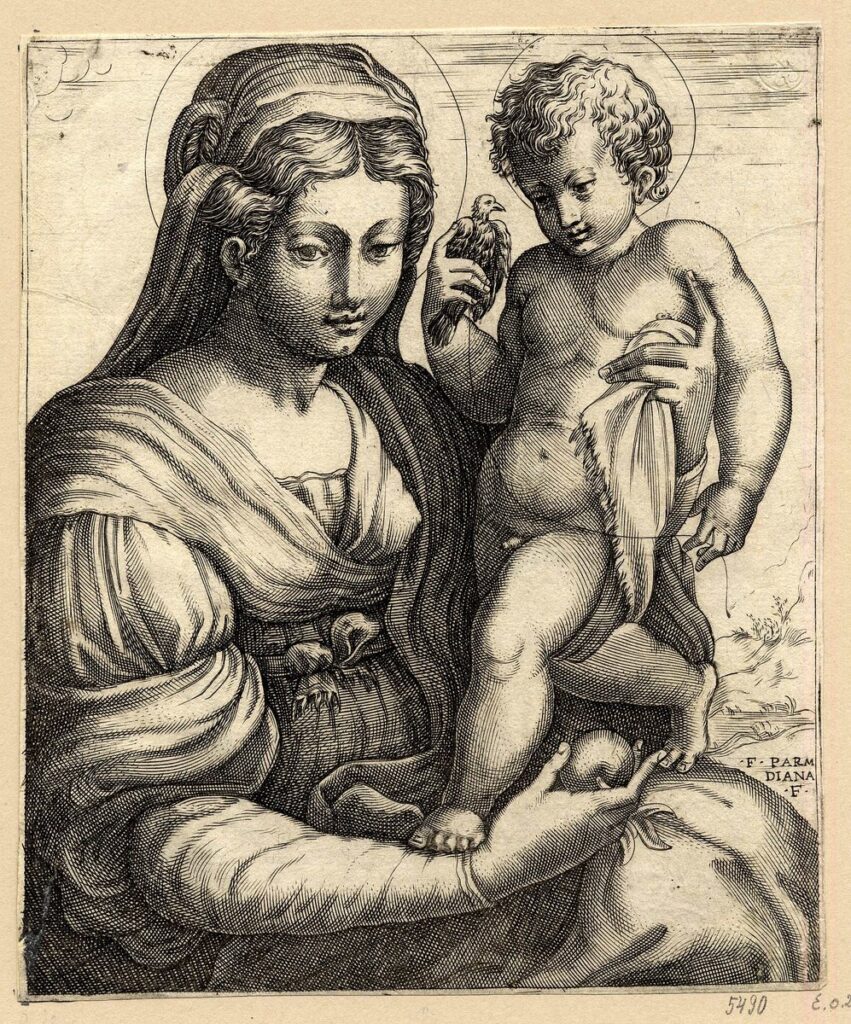
Diana Scultori, “Intagliatrice Rara“: Un’artista tra Mantova e Roma nel Cinquecento
In Rome, Diana Scultori (c. 1547–1612) was the first woman to obtain a papal privilege, meaning the pope’s authorization to print works and recognition of his copyright on engravings. She was also the first female artist to be admitted among the Virtuosi at the Pantheon, in 1580. The exhibition Diana Scultori, Rare Engraver: An Artist between Mantua and Rome in the 16th Century features 40 works. These include drawings, medals, and, above all, engravings: copper plates and paper prints, works by one of the first women to work as an artistic engraver. The exhibition, a collaboration with the Central Institute for Graphics, features loans from abroad (Budapest) and Italy (Rome, Florence, Parma, Milan, and Mantua).
Diana Scultori, “intagliatrice rara” Un’artista tra Mantova e Roma nel Cinquecento; Palazzo Ducale di Mantova. October 11, 2025–January 11, 2026.
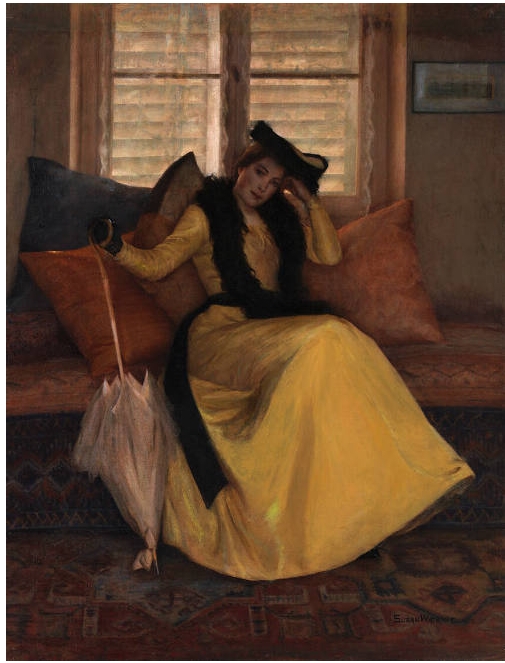
Susan Watkins and Women Artists of the Progressive Era
Susan Watkins and Women Artists of the Progressive Era examines how women at the turn of the 20th century overcame barriers and achieved success within the professional art world. Centered on the career of Susan Watkins (1875–1913), the exhibition offers a look into the environment in which Watkins and other female artists of the time forged their professional identities. Histories of this period have often overlooked the contributions of women like Watkins who embraced more traditional artistic styles. Featuring 75 works, including paintings, drawings, and sculptures by Watkins and artists such as Lilla Cabot Perry, Meta Vaux Warrick Fuller, Elizabeth Nourse, Lucie Attinger, Anna Elizabeth Klumpke, and Mary Fairchild MacMonnies, this exhibition recovers their stories and reasserts their contributions to art history.
Susan Watkins and Women Artists of the Progressive Era; Chrysler Museum of Art. October 17, 2025–January 11, 2026. The Dixon Gallery and Gardens hosted the exhibition from July 13–September 28, 2025.