Here we list all the new books about women artists—from the past, and also from the present—that have come to our attention, published in the first quarter of 2026. Each description is drawn from the blurb on the publisher’s website. Do you know of other titles that should be on this list? Please let us know by comment or by email (Erika@artherstory.net).

Adult non-fiction
Mrs Kauffman and Madame Le Brun: The Entwined Lives of Two Great Eighteenth-Century Women Artists, by Franny Moyle. Publisher: Bloomsbury, 2026.
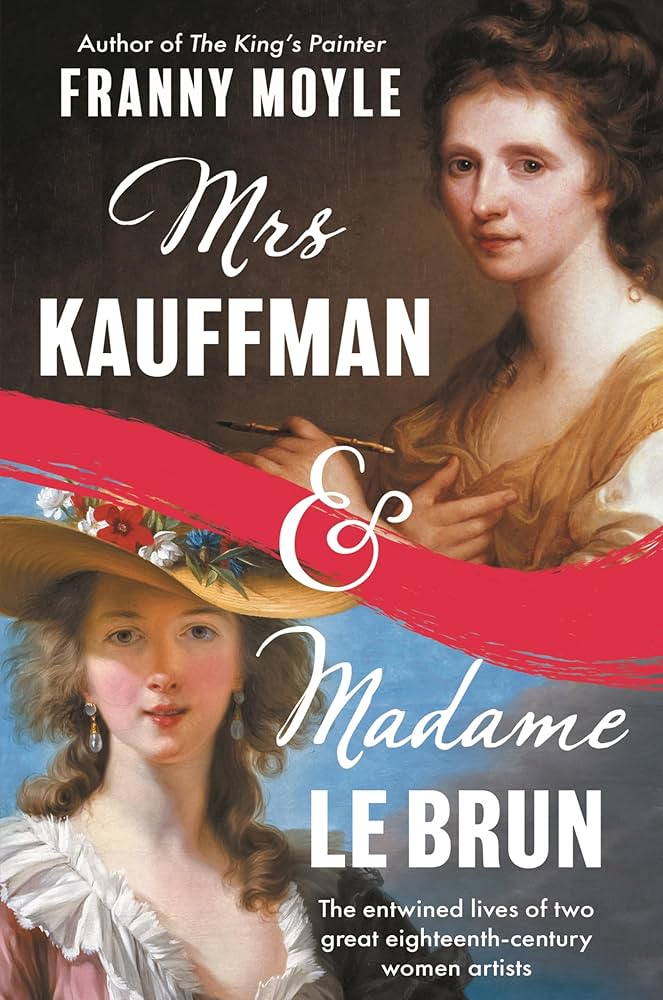
In the late autumn of 1789, two of Europe’s most celebrated painters—Swiss-born prodigy Angelica Kauffman and Parisienne portraitist Élisabeth Louise Vigée Le Brun—met in Rome. Both were feted in their time, both were trailblazers in a male-dominated world—visionaries who helped define eighteenth-century art and feminism before the term existed. With vivid storytelling, one of the most gifted living writers of artistic biography, Franny Moyle, reclaims their legacies. She examines how each artist navigated fame, scandal and exile; explores the relationships between them and their peers; and considers how they were caught up in the huge cultural crosscurrents that were reshaping Europe.
Enchanted Wood: Engraving a Place for Women Artists in Rural Britain, by Kristin Bluemel. Publisher: University of Minnesota Press, 2026.

Amid the austerities of Depression-era publishing in Britain, urban editors and women artists recognized a unique opportunity to make and sell popular books illustrated with wood engravings. Enchanted Wood focuses on four of these artists—Gwen Raverat, Agnes Miller Parker, Clare Leighton, and Joan Hassall—weaving together their lives and work to tell a compelling and little-known story about a modern art that transformed the lives of both urban and rural women. A visually rich history of collective achievement, Enchanted Wood establishes these women engravers as important modern artists and literary figures in their own right.
Maeve Gilmore, by Lucy Scholes. Publisher: Eiderdown Books, 2026.

Painter and muralist Maeve Gilmore (1917–1983) drew inspiration from her domestic environment which she shared with her husband—artist and writer Mervyn Peake—and their three children. Replete with surrealist imagery, her paintings—mostly figurative, but sometimes abstract or symbolic—are an extraordinary record of both her exterior and interior worlds, shot through with imagination, creativity and deep emotion. This fully illustrated book provides much needed critical attention to an overlooked pioneering artist.
Someday is Now: The Art of Corita Kent (Second edition), Edited with text by Ian Berry and Michael Duncan. Publisher: Delmonico Books, 2026.
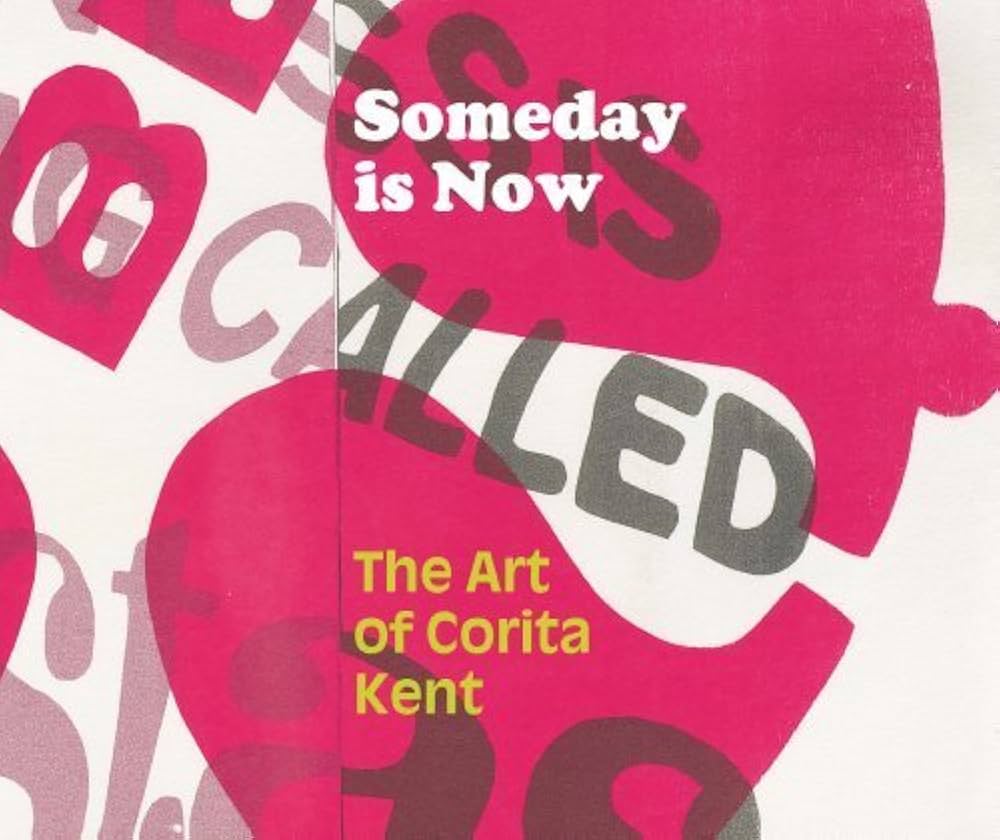
Originally published in 2013 and long out of print, this most comprehensive monograph on Kent’s work finally returns in a brilliant showcase of prints and ephemera from all phases of her life, revealing her importance as an activist printmaker and a stylistic innovator in graphic design. It includes not just the 1960s serigraphs for which she is best known, but also early abstractions and text pieces as well as lyrical works made in the 1970s and 1980s. Full of the lively, colorful work that was so iconically hers, this volume presents four decades of a life dedicated to serving others through and with the language of art. The book includes prints and ephemera from all phases of her life, revealing her importance as an activist printmaker and a stylistic innovator in graphic design.
Performing Chance: The Art of Alison Knowles In/Out of Fluxus, by Nicole L. Woods. Publisher: University of Chicago Press, 2026.
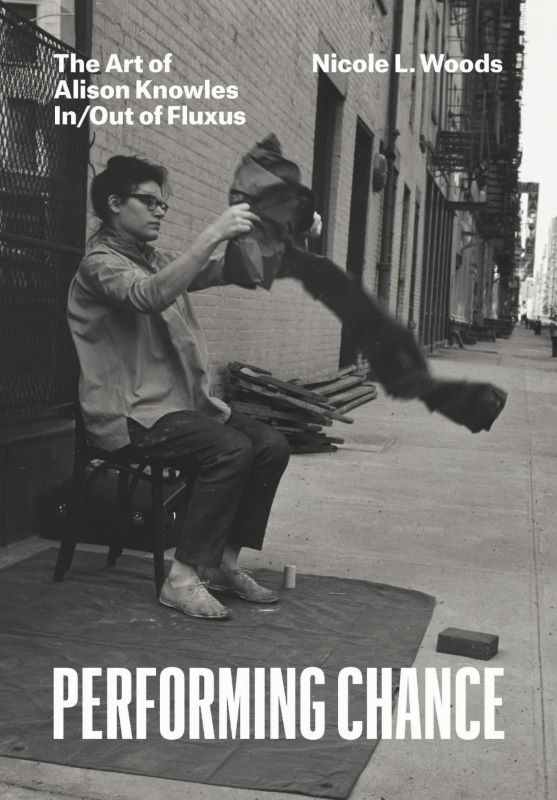
Alison Knowles stands out as the sole female artist among the founders of Fluxus, yet she has remained an enigmatic, underrecognized figure in the history of art. Benefitting from previously unpublished archival materials and direct interviews with the artist, Performing Chance provides close readings of pivotal works. It discloses the ways Knowles instituted formal tactics that moved beyond modernist painting, championed principles of indeterminacy and chance, and fostered sociopolitical consciousness. The study brings this key artist back to her rightful place as a leader of the postwar avant-garde and provides a nuanced history of the role of women artists in Fluxus and beyond.
Lisa Yuskavage, Texts by Ariel Levy, Barry Schwabsky, Lena Dunham, Jason Schmidt. Publisher: Phaidon, 2026.
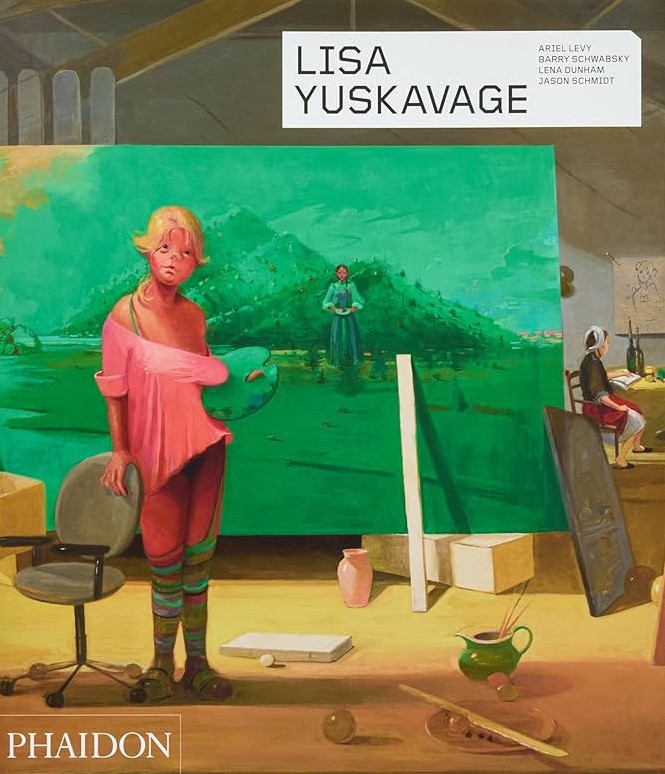
Known for her highly original approach to figurative painting, Lisa Yuskavage is one of the most acclaimed living artists. At times playful and at other times rueful, her bold, eccentric, exhibitionist, and introspective characters inhabit fantastical and vivid compositions, assuming the dual role of subject and object. Although inspired by popular culture, the artist’s technique is deeply rooted in the history of painting, establishing an underlying tension between polar opposites such as high and low, sacred and profane, harmony and dissonance. This first proper monograph about the painter features more than 150 color images, including never-before-seen photographs of her studio, along with insightful text contributions.
Exhibition catalogs
The Woman Question: 1550–2025, Edited by Alison M. Gingeras. Publisher: Museum of Modern Art in Warsaw, 2026.

The Woman Question 1550–2025 brings together over five centuries of cultural production to address ways gender, power, and agency have intersected over time. It challenges the notion that women artists before the 20th century were rare exceptions. This transhistorical book and accompanying exhibition demonstrates that while often underrecognized and working against various social prohibitions, women have had continuous creative agency—and have exercised their artistic power in decisive ways to assert their vital presence and unique lived experiences.
A View of One’s Own: Landscapes by British Women Artists, 1760–1860, Edited by Rachel Sloan. Publisher: Paul Holberton Publishing (distributed by Yale University Press), 2026.
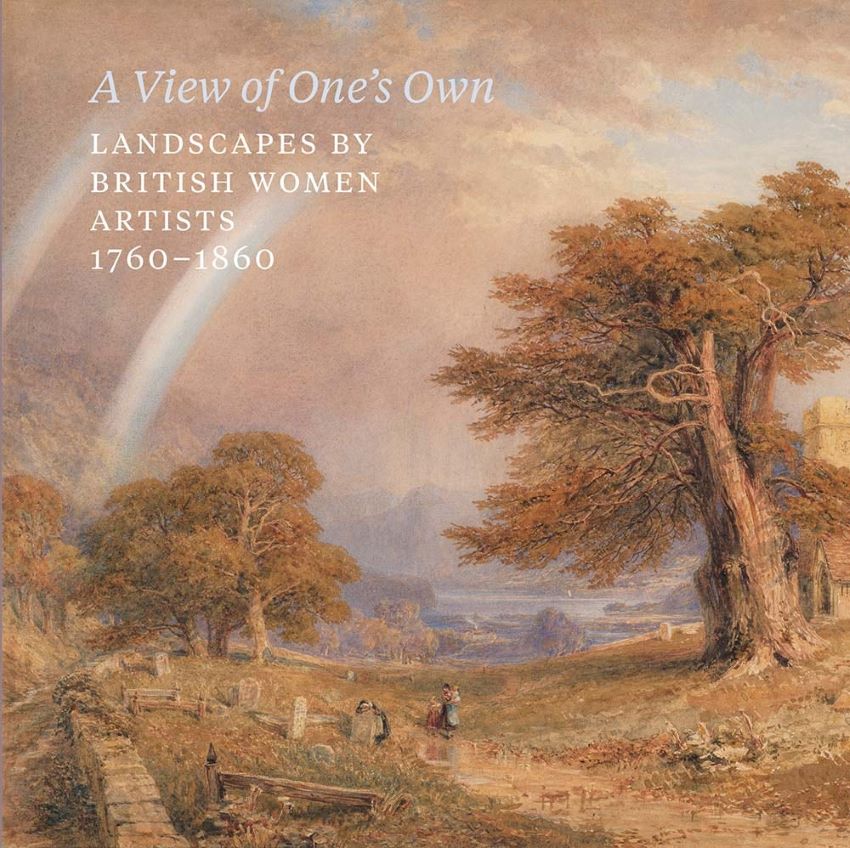
A View of One’s Own accompanies an exhibition of landscape drawings and watercolors by a group of inspiring British women artists working both in Britain and abroad between 1760 and 1860. The book sheds new light on ten artists who achieved recognition during their lifetimes and whose work is ripe for rediscovery, including: Harriet Lister; Mary Lowther; Mary Mitford; Susan Percy; Mary Smirke; Eliza Gore; Fanny Blake; Amelia Long; Elizabeth Batty; and Richenda Gurney.
Edmonia Lewis: Said in Stone, Edited by Jeffrey Richmond-Moll and Shawnya L. Harris. Publisher: University of Chicago Press, 2026.
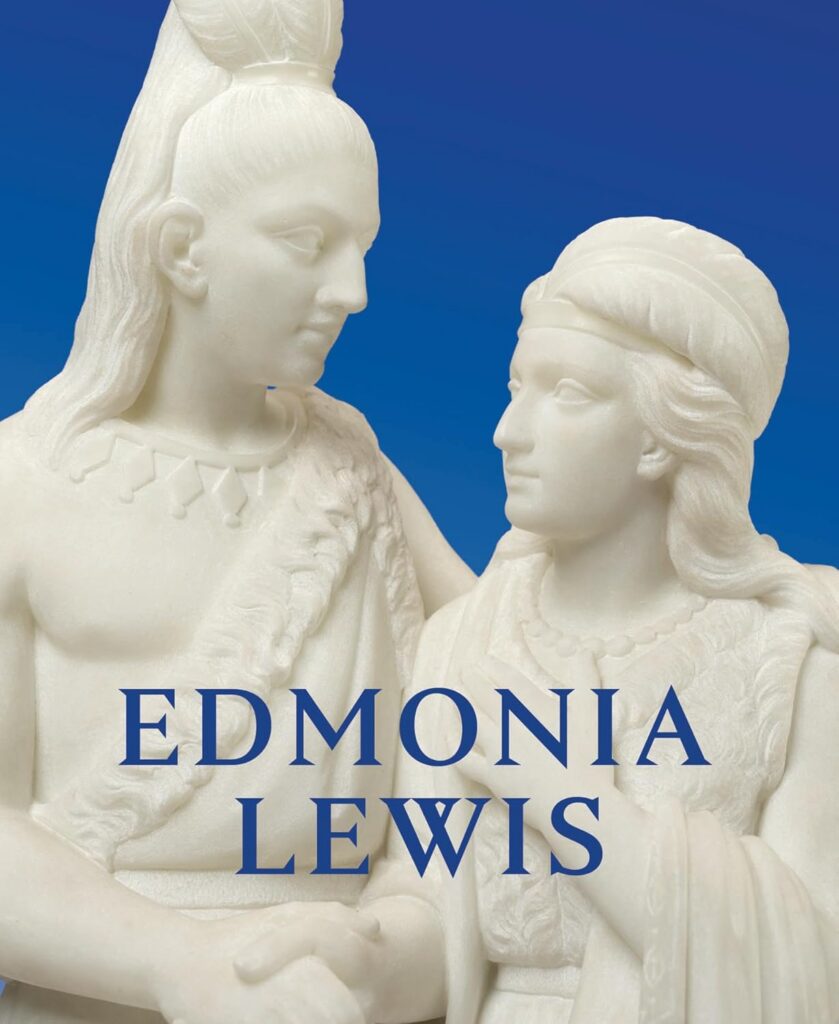
Edmonia Lewis (1844–1907) broke international, racial, and gender barriers as a young artist who traveled to Rome in 1866 to join the leading American sculptors of her generation. She created acclaimed figurative works in marble and achieved great success, but her status as a Black woman of Indigenous (Mississaugas of the Credit First Nation) descent complicated the critical reception of her oeuvre. Accompanying the first monographic retrospective of the artist, this lavishly illustrated volume reproduces examples of all Lewis’ known works and shares new discoveries that illuminate her artistic vision of community, reform, and resilience. Placing her sculptures in conversation with abolitionist and feminist movements, the book considers the themes Lewis’ art addressed, including Indigenous artistry, social and political reformers, and religious and mythological subjects.
Gwen John: Strange Beauties, Edited by Rachel Stratton and Lucy Wood. Publisher: Yale Center for British Art in association with Amgueddfa Cymru–National Museum Wales (distributed by Yale University Press), 2026.

Gwen John (1876–1939), best known for her portraits of women depicted in close tonal registers, was overshadowed during her life by her relationships with men, including her brother, the painter Augustus John, and lover, the French sculptor Auguste Rodin. In recent years, leading art historians and curators have shed new light on John’s significant contributions to British art, her connection to European modernism, and her serial process. Gwen John: Strange Beauties builds on this groundwork, bringing together the artist’s distinctive oil paintings with rarely seen works on paper to illuminate the underexamined scope of her ambition. The book reveals lesser-known aspects of her practice—a vibrant use of color, plein air sketching and an interplay between figuration and abstraction.
The Lost World: The Art of Minnie Evans, Edited with text by Katherine Jentleson; foreword by Rand Suffolk. Publisher: DelMonico Books, 2026.
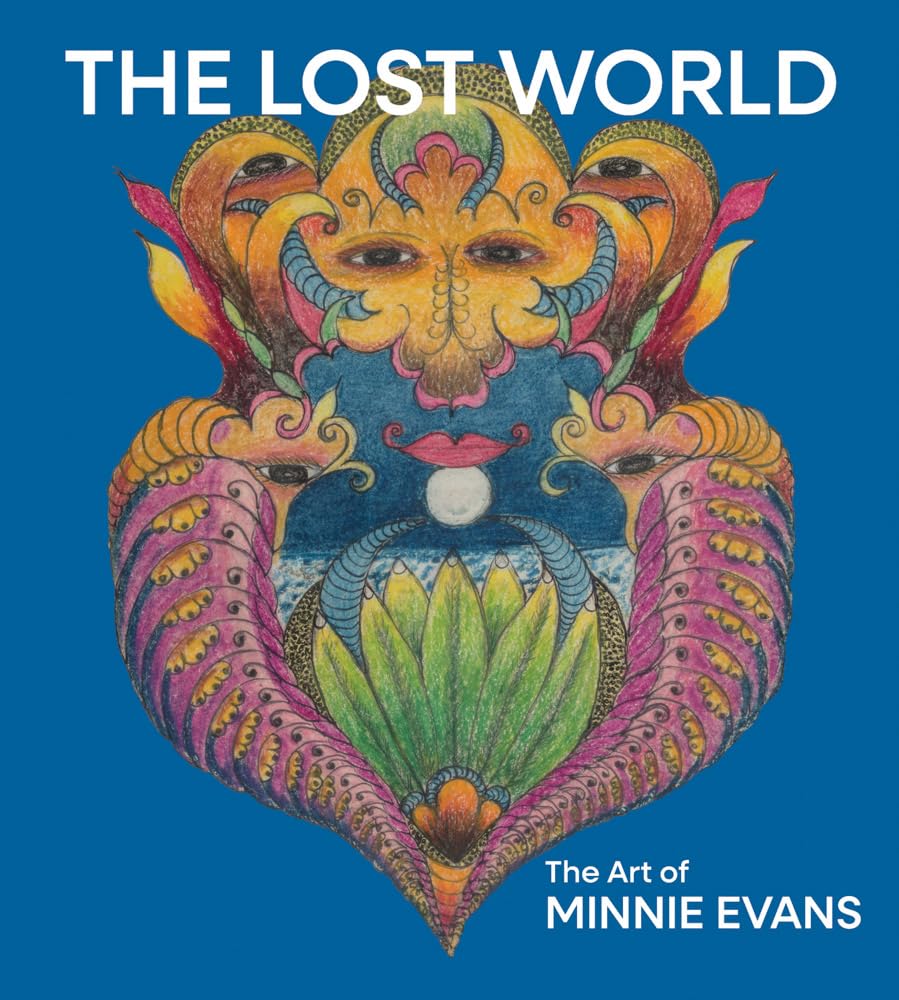
American artist Minnie Evans (1892–1987) once said her drawings of harmoniously intertwined human, botanical and animal forms came from visions of “the lost world,” or nations destroyed by the Great Flood as described in the Book of Genesis. In her mid 50s, selling or giving away her drawings to visitors at Airlie Gardens (where she worked) led to a wider reputation and eventually a 1966 exhibition titled The Lost World of Minnie Evans at a New York church. This publication reprises that 1966 title, honoring Evans’ interest in biblical and ancient civilizations while foregrounding the spiritual and historical circumstances of her extraordinary life. More than 100 of her artworks are presented in a range of contexts, from the extrasensory experiences of her visions to the double-edged realities of her life in the Jim Crow South. Her drawings, beautiful and complex, thus become portals into her “lost world.”
Relative Ties: Mabel Nicholson, Nancy Nicholson, EQ Nicholson and Louisa Creed, Edited by by Harriet Loffler. Publisher: Paul Holberton Publishing (distributed by Yale University Press), 2026.

Relative Ties highlights the work of three generations of women artists from the illustrious Nicholson family—Mabel, her daughter Nancy, daughter-in-law EQ, and EQ’s daughter Louisa. The volume explores what women inherit from their mothers, what can be passed down matrilineal lines, and the importance of siblings to a creative practice. It brings together designs, paintings, preparatory drawings, textiles, and wallpaper, alongside unprecedented insights into the tools and techniques the artists used. Together, the Nicholson women form a celebrated line of artists working from the late 19th century to the present day across a multiplicity of spaces, contexts, and mediums, ranging from paintings and works on paper to wallpaper and fabric.
Anni Albers: Constructing Textiles, Edited by Brenda Danilowitz, Fabienne Eggelhöfer, Stella Rollig and Nina Zimmer. Publisher: Yale University Press, 2026.
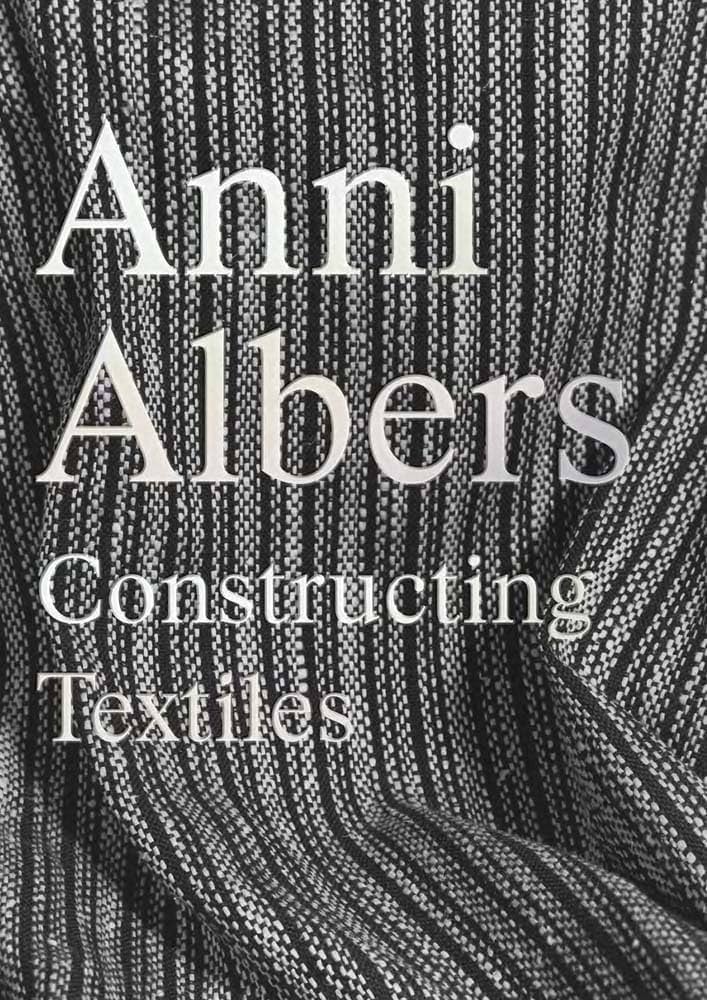
Anni Albers (1899–1994) has long been revered as a trailblazing weaver, textile designer, and visual artist. She was also an insightful and eloquent writer, and her books On Designing and On Weaving are canonical writings in design history. Anni Albers: Constructing Textiles explores the ideas of materiality, construction, and architecture across her body of work, establishing her legacy as a thinker, theoretician, and innovator. Among the book’s hundreds of beautifully reproduced images are works held in private collections that have never before been published. An essential volume in the literature about modernism, this book reinforces Albers’s position as a leading figure in 20th-century art.
Frida: The Making of an Icon, Edited by Mari Carmen Ramirez. Publisher: Yale University Press in association with the Museum of Fine Arts, Houston, 2026.

The striking self-portraits and deeply personal symbolism of Mexican painter Frida Kahlo (1907–1954) have captivated audiences for decades. Remembered, too, for her tumultuous marriage to fellow artist Diego Rivera and her passionate political activism, Kahlo’s legacy transcends her artistic oeuvre. Showcasing Kahlo’s paintings alongside the work of other artists from around the world and from midcentury to today, Frida: The Making of an Icon investigates the profound and lasting nature of Kahlo’s impact. With essays by leading researchers, scholars, and curators, Frida: The Making of an Icon is the first major examination of how Kahlo became a global icon and an important artistic influence. In seven sections, This important book celebrates and bridges the complexities of Kahlo’s iconic status and cultural, political, commercial, and artistic legacy.
Flora Yukhnovich: Bacchanalia, Text by Eleanor Nairne and Flora Yukhnovich. Publisher: Hauser & Wirth Publishers, 2026.

Flora Yukhnovich’s celebrated work takes inspiration from art-historical styles, from French Rococo and Italian Baroque to Abstract Expression. Her paintings address the dynamics of power inherent in each of these contexts while exploring materiality and process through cascading and swirling forms that flow between representation and abstraction. Responding to the consumerism, moral panic, and Internet pile-ons of the present day, her latest work is inspired by bacchanalia, capturing revelry and hedonism as it tips into abstraction. This carefully designed exhibition catalogue captures the energy, dynamism, and intense corporeality of the artist’s new body of work through an extensive selection of illustrations.
Similar Art Herstory posts:
New Books About Women Artists | Oct–Dec 2025
New Books About Women Artists | July–Sept 2025
Recent Books for Young Readers About Women Artists
New Books About Women Artists | Apr–June 2025
New Books About Women Artists | Jan–Mar 2025
Ten Intriguing Books About Remarkable Women Artists, a guest post by Carol M. Cram