Here we list all the new books about women artists—from the past, and also from the present—that have come to our attention, published in the third quarter of 2026. Each description is drawn from the blurb on the publisher’s website. Do you know of other titles that should be on this list? Please let us know by comment or by email (Erika@artherstory.net).
For Young Readers
Painting the Light: The Story of Berthe Morisot, First Woman Impressionist, by Natalia Iacobelli, illustrated by Rosanna Tasker. Publisher: Reycraft Books.
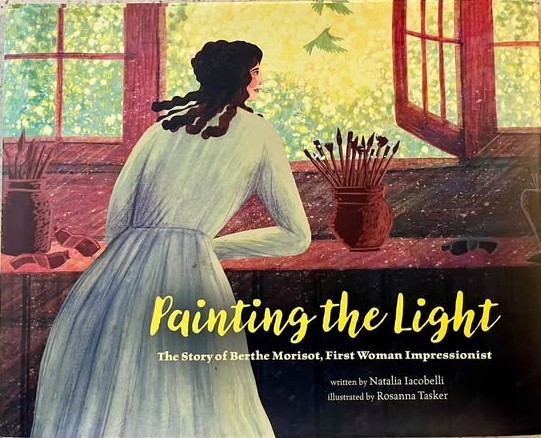
Ever since she was little, Berthe Morisot chased light. She found it in keyholes and flower petals, shimmering fabric and rustling leaves, and her dream was to paint it all. Living in Paris, Berthe was trained to copy the style of Old Masters and stay inside the lines. And more importantly, she was told respectable women could not become professional painters. The more Berthe painted, the more she yearned for the light that inspired her. One day, she met a group of rebel artists—Impressionists—who, like her, were tired of art’s rigid rules. Together, they led a movement, and Berthe shone a light on women’s lives through art in ways no one had before. This thoughtful biography details the life and legacy of the only female founder of Impressionism.
Marie’s Magic Eggs: How Marie Procai Kept the Ukrainian Art of Pysanky Alive, by Sandra Neil Wallace, Illustrated by: Evan Turk. Publisher: Astra Publishing House.
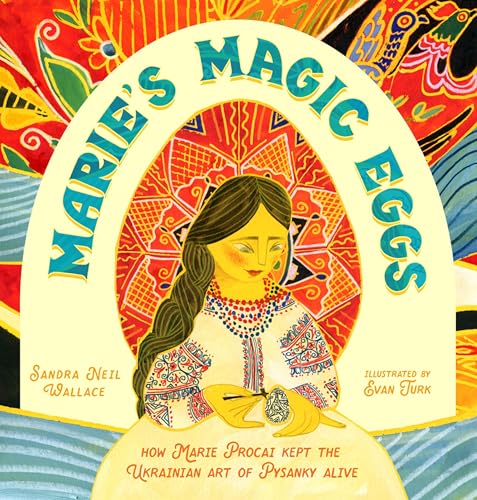
As a new immigrant to America living in Minneapolis, Marie Procai felt homesick and alone—she missed her homeland, Ukraine. She took comfort in the ancient Ukrainian art of making pysanky, intricately decorated eggs for Easter, an art she learned from her grandmother and brought with her to America. Marie’s Magic Eggs is the inspiring story of the woman who kept alive the Ukrainian art of pysanky Easter eggs and brought it to America.
A Language of Stitches: The Radical Quilts of Rosie Lee Tompkins, written and illustrated by Constance Moore. Publisher: Abrams Kids,.

Effie Mae Martin dreamed in bright, beautiful colors. With her needle and thread, she created designs that the world had never seen before: She mixed taffeta with T-shirts, wove patterns into words, and created shapes and stitches completely her own. But most importantly, Martin used her quilts to tell stories of Black life, of her memories with her family, and her love for her faith. Through her work, she found freedom and courage, but she wasn’t ready to share herself with the public, so she created Rosie Lee Tompkins—an artist whose radical quilts took the world by storm. This stunning picture book biography delivers an exquisite tribute to one of the greatest, yet often overlooked, artists in our history.
This book has been recognized by the New York Public Library as one of the Best Books of 2026!
Fiction
La Pittura, by C. J. Denton. Publisher: APS Books.
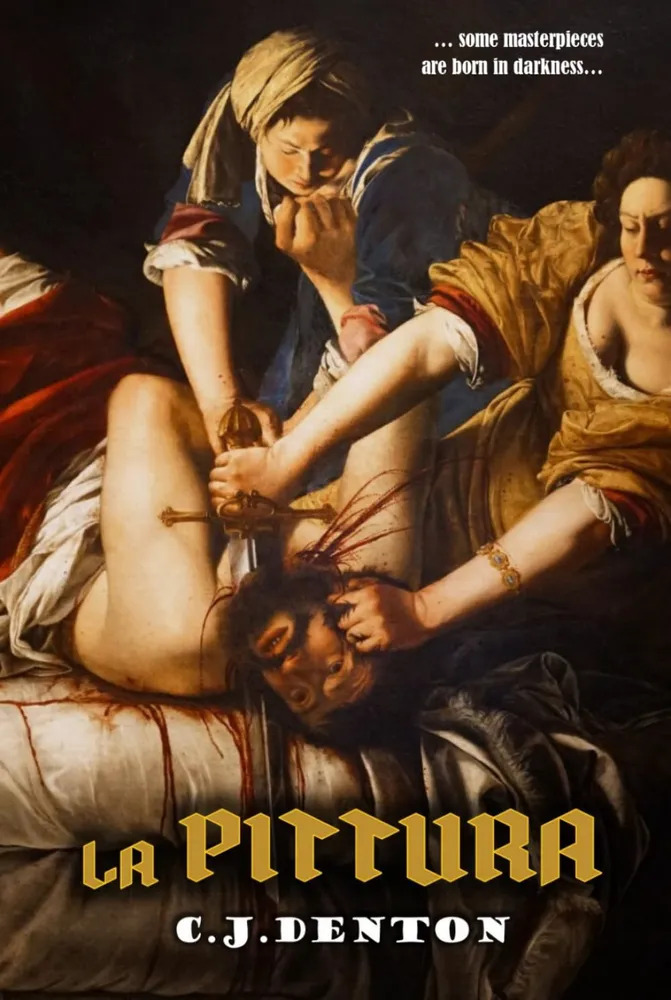
When Artemisia becomes involved in the death of a man, she and her confidante Lucia are drawn into a dangerous hidden world of women for whom the respectable routes to justice have failed. What begins almost by accident follows Artemisia through the increasingly successful years of her career, as the distance between justice and vengeance becomes harder to judge. Drawing on the remarkable real life and paintings of Artemisia Gentileschi, La Pittura is a historical thriller of murder and intrigue, but also of ambition, friendship, family and the considerable difficulty of making a living from art.
Read the author’s Art Herstory guest post Beyond Blood, Battle Scars and Beheading: How Artemisia Gentileschi Became Painting Itself.
Mini-monographs (24–28 pp. books)
Great Bardfield Forever, The Story of One Village and Seven Remarkable Women Artists, by Emma Cunningham. Publisher: Design for Today.
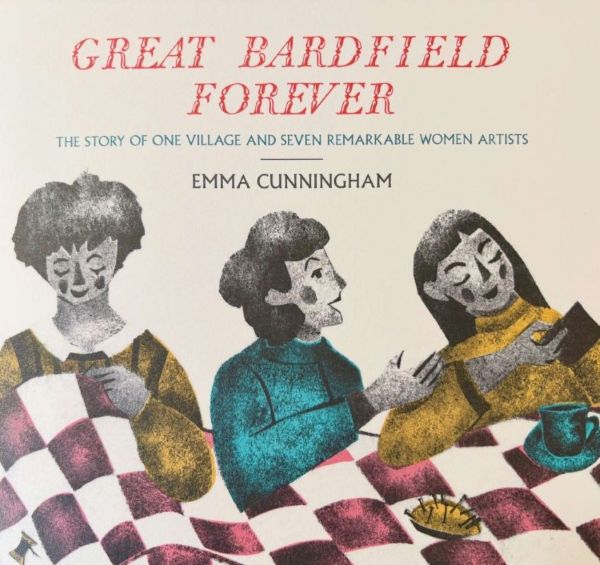
Great Bardfield Forever introduces and celebrates women artists who lived and worked in Great Bardfield during the mid-20th century. The featured artists include Duffy Ayers, Charlotte Bawden, Audrey Cruddas, Kate Chapman, Tirzah Garwood, Sheila Robinson, and Marianne Straub.
Enid Marx, Brick Dust and Flowers, by Emma Cunningham. Publisher: Design for Today.
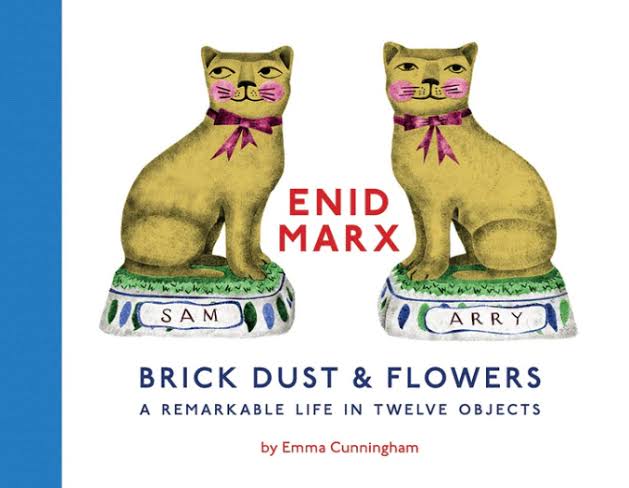
Through 12 objects, this book tells the story of British artist, designer, collector, and writer Enid Marx, and highlights her achievements. It is a guidebook to an imagined collection, illustrated using the craft technique of pochoir.
Open Access
There’ll Be No Dying Here: Portraits through Time, by Judy Schavrien. Publisher: Level Best Books.
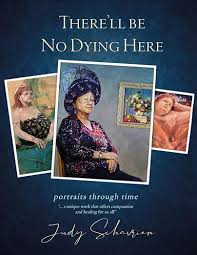
In There’ll Be No Dying Here: Portraits through Time, award-winning figurative painter Judy Schavrien follows 20 sitters through youth and age, intimacy and estrangement, vitality and mortality. The book is also available as a print paperback.
Adult non-fiction
Lavinia Fontana: Erotic Paintings, by Enrico Maria dal Pozzolo, with an Introduction by Elizabeth Cropper. Publisher: Paul Holberton Publishing.
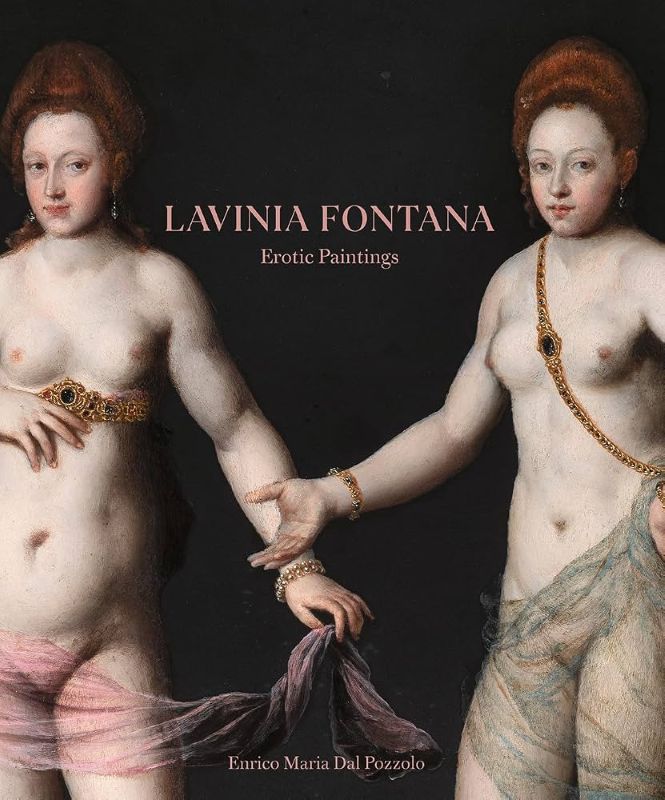
Drawing together new findings and long-overlooked evidence, Lavinia Fontana: Erotic Paintings makes the case that Fontana was a highly innovative artist, particularly in the field of erotic art. It highlights the crucial role played by her elite patrons and the sophisticated cultural circles in which she worked, and also offers a new history of the Venus Callipyge iconography, bringing together the relevant imagery and texts to trace its development and significance. At the heart of the book is a previously unknown painting depicting three female nudes.
Hilma af Klint’s Atom & the Tree of Knowledge, by Rachel Villari. Publisher: Stone Tower Press.
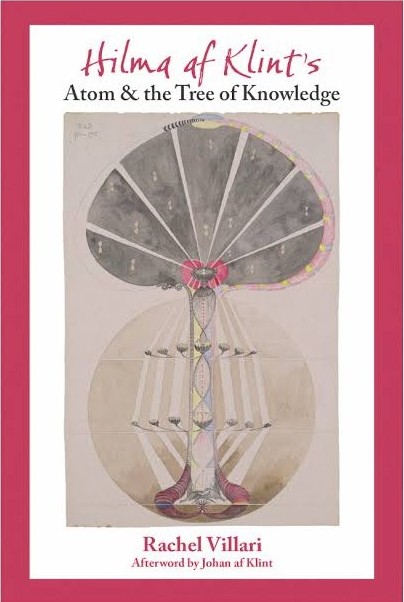
Long before abstract art became widely recognized, Hilma af Klint was creating visionary paintings that blurred the boundaries between the visible world and unseen realities such as science and spirituality, matter and spirit. Guided by scientific curiosity and profound spiritual experiences, Hilma af Klint developed a visual language unlike anything the art world had seen, challenging conventional gender roles and artistic expectations of her era. Focusing on her groundbreaking series Atom and the Tree of Knowledge, this book explores how Hilma af Klint wove geometry, nature, mysticism, and early 20th-century scientific discoveries into works that feel astonishingly modern
Gladys Hynes: Radical Lives, by Sacha Llewellyn, Sean Mark and Jennifer FitzGerald. Publisher: Yale University Press.
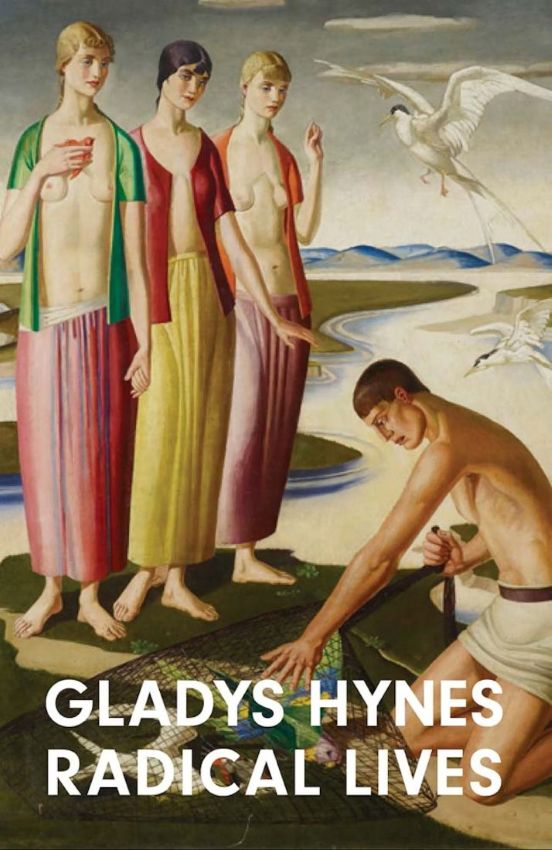
Though largely forgotten today, Gladys Hynes (1888–1958) was a pioneering artist whose life and work reflect the radical, turbulent and often contradictory currents of the first half of the 20th century. Born in India to Irish and English ancestry, Gladys Hynes was not only a gifted painter, sculptor, illustrator and designer but also a radical—pacifist, feminist, suffragist and Irish Republican. Hynes’s legacy has been almost entirely overlooked. By shedding light on her artistic achievements, activism and feminist vision, this biography restores Hynes to her rightful place within the modernist canon as a remarkable woman whose influence, long neglected, is now ripe for rediscovery.
Anni Albers: A Life, by Nicholas Fox Weber. Publisher: Yale University Press.
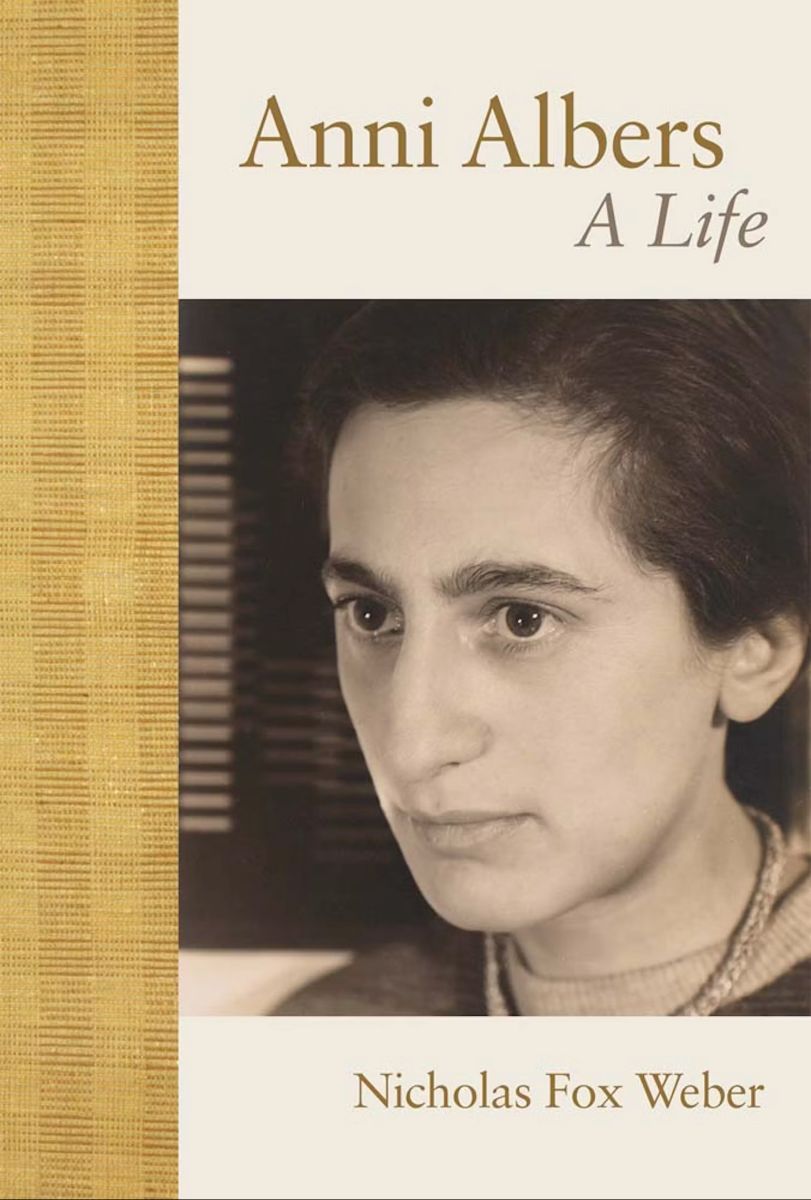
Anni Albers (1899–1994) was a pioneer of 20th-century modernism. As a textile designer, weaver, writer, and graphic artist, she inspired a reconsideration of fabrics as an art form, both in their functional roles and as wall hangings, and took the processes of printmaking into uncharted territory. This intimate biography draws on personal conversations with Albers from the 1970s up until Albers’s death and on unprecedented archival research to tell a fresh and full story of Albers’s life and the development of her unique and influential artistic vision.
Exorcising the Patriarchy: Leonora Carrington’s Plays and Scenography, by Abigail Susik. Publisher: Eberhardt Press.
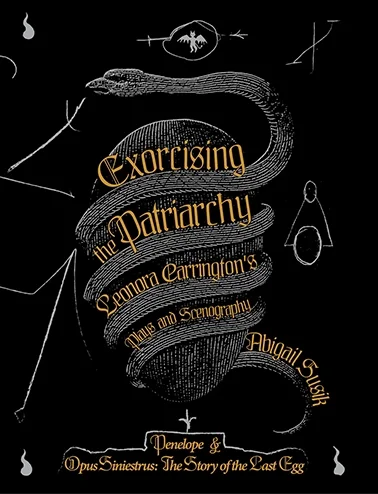
Best known as a painter associated with international surrealism, Leonora Carrington (1917–2011) was also a prolific dramatist and scenographer who activated these mediums in her overarching critique of patriarchal society. Replete with production photos and Carrington’s artwork, this book examines two of her plays and their scenographies, “Penelope” and “Opus Siniestrus: The Story of the Last Egg.” Exorcising the Patriarchy sheds timely light on Leonora Carrington’s theatrical practice, revealing it as a process of exorcising patriarchal violence.
Bona de Mandiargues, by Sibylle de Mandiargues. Publisher: Eiderdown Books.
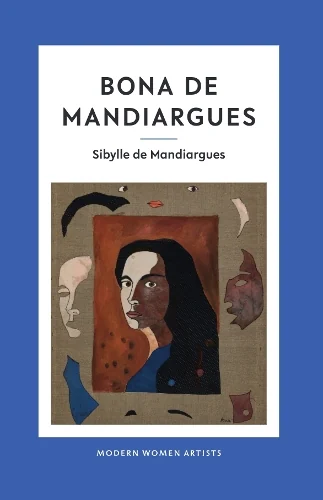
Bona de Mandiargues (1926–2000) was one of the most original artists of the post-war avant-garde and played a vital role in the revival of feminist Surrealism, yet her remarkable work is little known today. In Paris, she moved among André Breton, Max Ernst, Dorothea Tanning, Meret Oppenheim, Leonor Fini and Man Ray, before joining Leonora Carrington’s circle in Mexico. Shaped by these extraordinary artistic communities, Bona forged a distinctive visual language through painting, deconstruction and assemblage. This introduction reveals the life and work of a singular artist whose visionary imagination deserves to be rediscovered.
It Tells My Story: The Yvonne Wells Collection at the International Quilt Museum, Edited by Teresa Duryea Wong. Publisher: University of Nebraska Press.
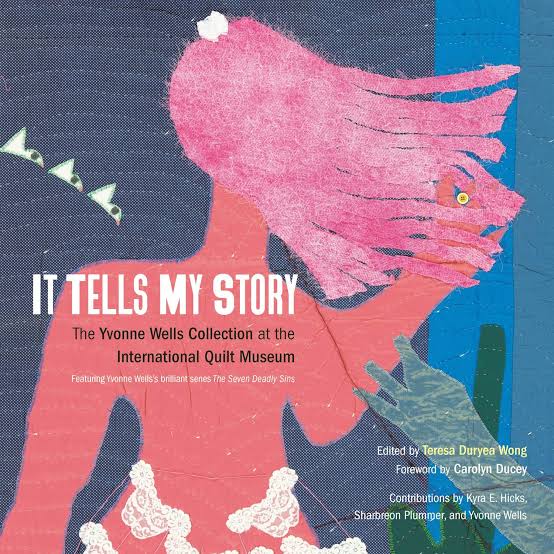
Yvonne Wells is an acclaimed artist from Tuscaloosa, Alabama, whose narrative quilts are immediately recognizable. Using bright colors and bold designs, Wells’s quilts include references to biblical stories, the Civil Rights Movement, and moments from her life. Gorgeously illustrated, It Tells My Story showcases 34 quilts from the Yvonne Wells Collection at the International Quilt Museum at the University of Nebraska–Lincoln. The vibrancy and vitality of Wells’s creations are featured throughout the book, including the backs of many of Wells’s quilts, which have never been published before, bringing to life the extraordinary work of this renowned quilter.
Feminist Friendships, Collaborations, and Networks in the Visual Arts, Edited by Jennifer Griffiths and Andrea Pearson. Publisher: Brepols.
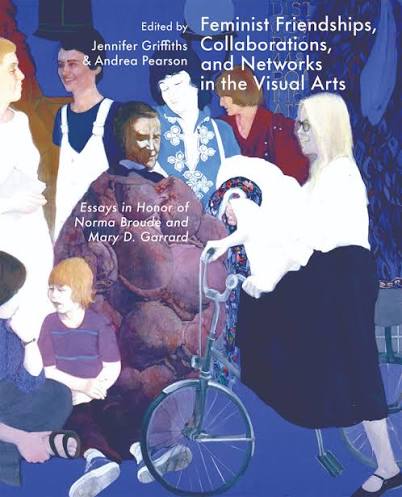
Since the late 20th century, a mounting body of studies has demonstrated that women contributed notably to the visual arts of nearly every culture, despite the ubiquity of patriarchal structures. Feminist Friendships, Collaborations, and Networks in the Visual Arts looks to collaboration as a key factor in women’s ability to overcome those systemic obstacles in order to play decisive roles in the visual arts, whether as artists, patrons, art critics, gallerists, or interpreters in the public sphere. By means of 17 case studies spanning from the Renaissance to the 1990s and covering several continents, the essays in this volume chronicle an enduring pattern of women artists, critics, and intellectuals pursuing their goals together. In elucidating the importance of the collaborative dynamic model, especially in its feminist iteration, these essays promote a fuller understanding of the visual arts across the globe and throughout the centuries.
Women Artists on the Rise Edition 4, Publisher: Arts to Hearts Project (founded/edited by Charuka Arora).
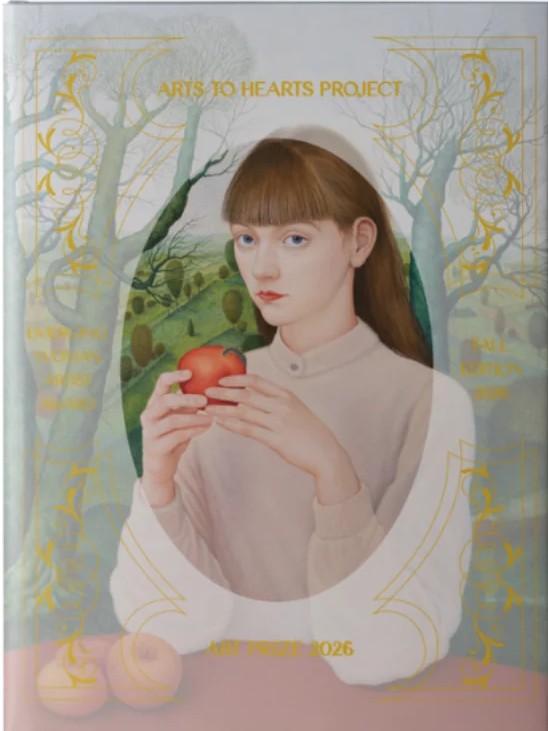
The 4th edition of Women Artists on the Rise is a luxurious 232-page hardcover collector’s book featuring 100 exceptional women artists from around the world. Wrapped in an elegant gold-foiled die-cut jacket and featuring cover artwork by Elen Bezhen, this edition is designed to be both a visual experience and a lasting keepsake. Inside, readers will discover award-winning artists, exclusive interviews, and remarkable contemporary artworks across a wide range of mediums. Carefully curated through the Women Artist Award, it celebrates the creativity, vision, and impact of women shaping today’s art world.
Exhibition catalogs
Mary Cassatt: After Impressionism, by Annelise K. Madsen, with contributions by Gillian Marcus and Nicole R Myers. Publisher: Yale University Press.
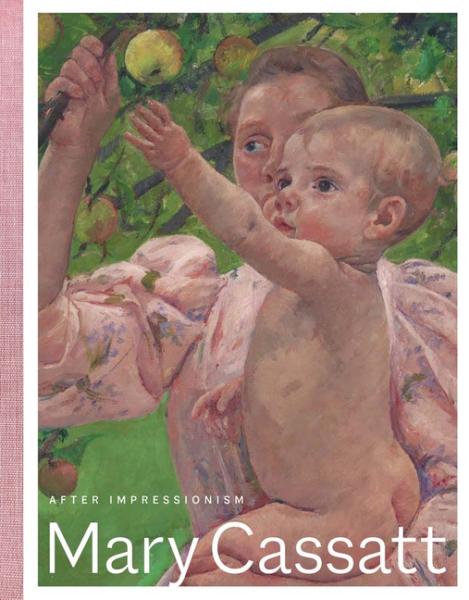
Mary Cassatt (1844–1926) was a trailblazing artist who worked across media, manipulated materials, transformed subjects through series and scale, and marketed and exhibited her artwork in novel ways. Primarily recognized as a key figure of Impressionism, she produced some of her most innovative work in the years after the eighth and final Impressionist group show in 1886. Focusing on Cassatt’s iconic compositions from the late 1880s through the early 1900s, this volume highlights Cassatt’s daring, ingenuity, and ceaselessly independent vision—both in her artistic technique and choice of subject matter—and considers the lasting impact of her aesthetic breakthroughs and significant legacy.
Margaret Preston, Edited by Beckett Rozentals and Michael Gentle. Publisher: Thames & Hudson Australia.
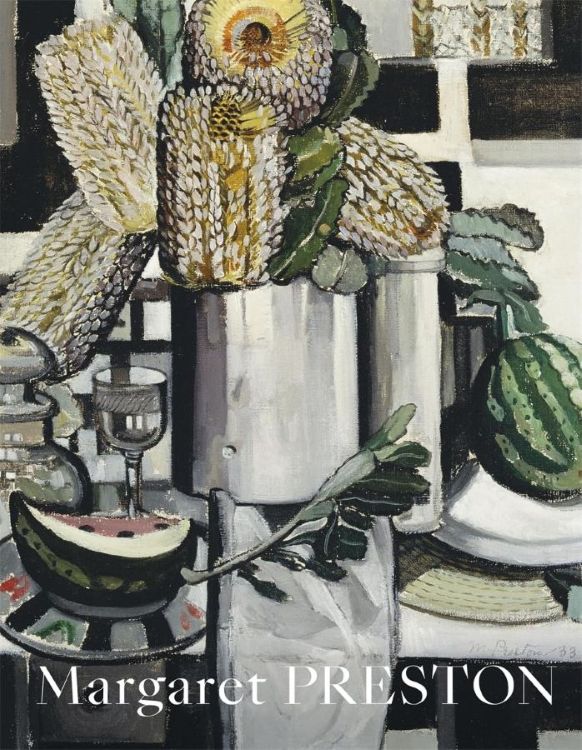
As one of the most influential Australian artists of the early 20th century, Margaret Preston transformed the visual language of the nation through a practice that was both technically innovative and visually unforgettable. Her still lifes, particularly her iconic depictions of Australian native flowers, are extraordinary for their bold compositions and sophisticated use of color. Working across painting, printmaking and decorative arts, Preston continually experimented with materials and technique, forging a distinctive aesthetic that drew from international modernism while seeking to define a uniquely Australian visual identity. This landmark publication sheds new light on her artistic networks, her complex relationship with First Nations visual culture, and her enduring influence on Australian art and design.
Creating Space—The Constructivist Marlow Moss: With Leonor Antunes, Tacita Dean, Florette Dijkstra and Ro Robertson, Edited by Kathleen Reinhardt and Elisa Tamaschke. Publisher: Hirmer; available in North America from the University of Chicago Press.
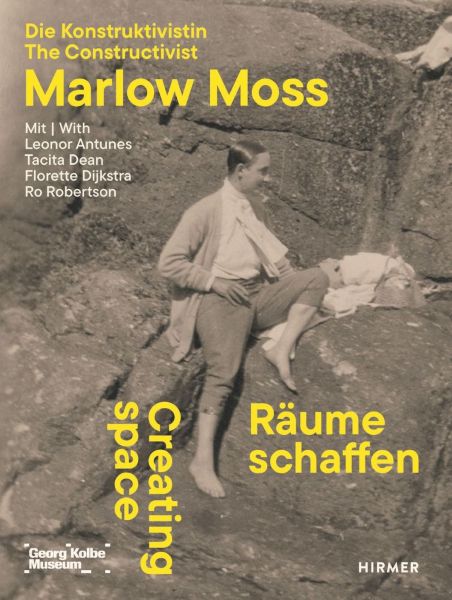
Finally receiving the visibility she has been due, the constructivist artist Marlow Moss emerges in this book from the shadow of other great artists from her time. While the work of her friend Piet Mondrian was an important source of inspiration, Moss’s own innovations in abstraction have only recently begun to receive proper recognition. Through painting, drawing, and sculpture, the pioneering Constructivist explored her artistic quest for space and the light within it. Because of her Jewish heritage, queer identity, and the destruction of World War II, parts of her oeuvre were lost. Nevertheless, her life and works are now comprehensively recounted and reinterpreted by contemporary artists in this monograph.
Marcia Marcus: I Paint What I Like, Edited by Debra Lennard. Publisher: Giles Ltd.
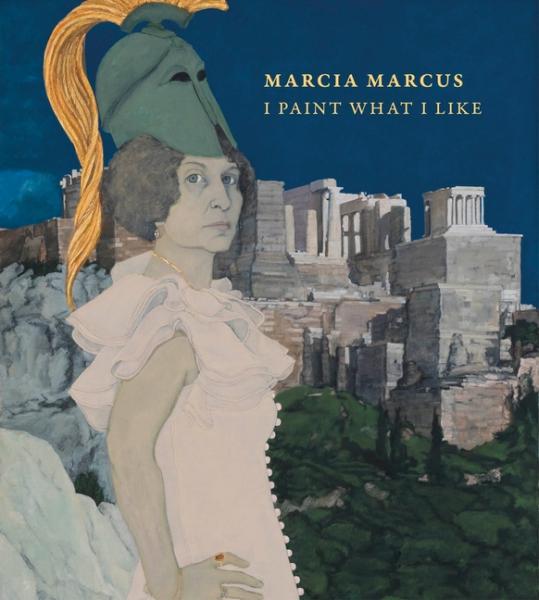
Headstrong and wry, Marcia Marcus (1928–2025) was a fiercely original artist whose work challenges typical understanding of post-war American art. Rejecting mainstream abstraction, Marcus spent five decades painting what compelled her: languorous male nudes, parenthood, great style—subjects her peers rarely explored—all rendered in her distinctive cool and poised hand. Through decades of self-portraiture, she boldly affirmed her own creative voice and upended narrow expectations of gender with wit and defiance. This volume illuminates Marcus’s multifaceted significance: innovative artist of post-war New York, creator of radically assertive self-portraiture, and essential forerunner of figurative painting today.
Beverly Buchanan: Ruination and Regeneration, Edited with introduction and text by Aurélie Bernard Wortsman. Publisher: DelMonico Books with Andrew Edlin Gallery.
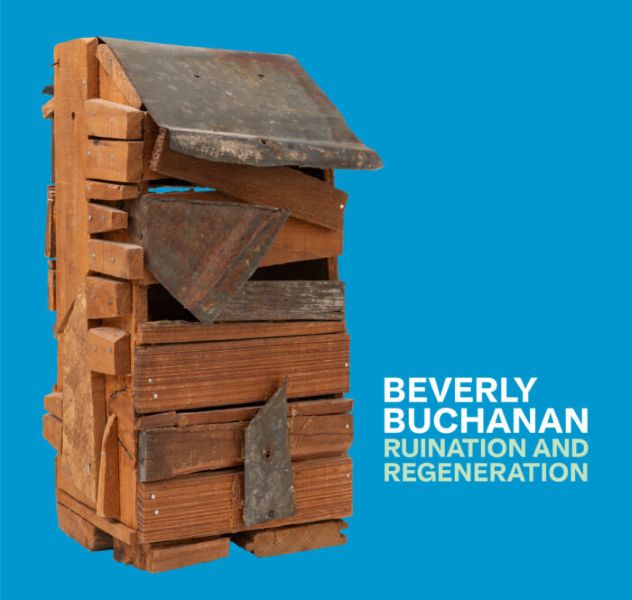
At the heart of Beverly Buchanan’s (born 1940) work is a belief in transformation. Her art speaks to cycles of collapse and rebirth—of buildings, of landscapes, of lives. Ruination and Regeneration examines Buchanan’s major bodies of work, including her abstract paintings of 1970s New York, her cast-concrete “frustulas,” her site-specific installations such as Marsh Ruins and her acclaimed “shack” sculptures— tributes to the handmade homes of Black tenant farmers in the rural South. Featuring essays, interviews, poems, archival materials and Buchanan’s own writings, this volume offers a rich and multifaceted reflection of her deeply personal and politically charged oeuvre. Ruination and Regeneration not only honors Buchanan’s legacy but also reframes how we see memory, place and the power of making art from what remains.
Colleen Wolstenholme: Hyperobjectivity, by Ray Cronin and Laura J. Ritchie. Publisher: Goose Lane Editions with Beaverbrook Art Gallery and Art Gallery of Nova Scotia.
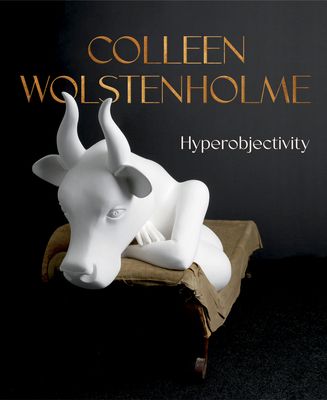
This volume showcases Canadian artist Colleen Wolstenholme’s painting, sculpture, and installations from a career spanning more than 30 years. Taking its name from the idea of the hyperobject—an idea so vast as to exceed ordinary human perception—Colleen Wolstenholme: Hyperobjectivity investigates how we navigate and are shaped by entities such as the weather, capitalism, or even the deep sea. From her copper and sterling silver casts of anti-anxiety medications such as Prozac, Zoloft, Paxil, and Valium to her paintings of deep sea life in acrylic and oil, Wolstenholme’s work approaches both the recognizable and, in the words of Laura J. Ritchie, “onceunknowable beings.”
New editions
Sofonisba’s Lesson, New Edition: A Renaissance Artist and Her Work, by Michael Cole. Publisher: Princeton University Press.
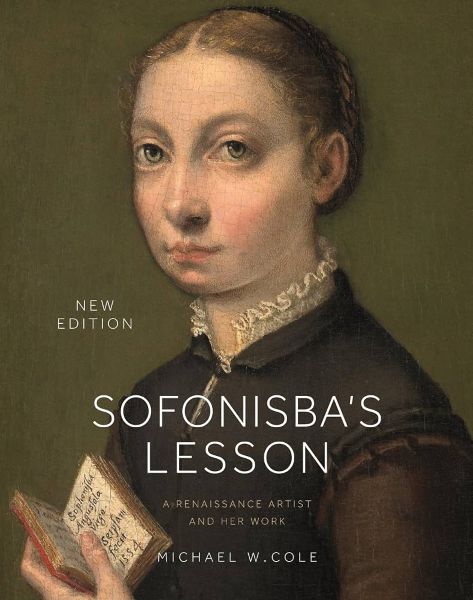
Since it was first published, Sofonisba’s Lesson has ushered in a major reassessment of Sofonisba Anguissola (1532–1625), a remarkable painter who changed the image of women’s education in Europe and transformed Western attitudes about who could be an artist. In this revised and expanded edition, Michael Cole reconsiders some central questions of authorship and shares the major discoveries that have been made since this influential book first came out.
White Rabbits / Down Below, by Leonora Carrington. Publisher: Penguin Modern Classics.

In 1940, Leonora Carrington—a 22-year-old British-born Surrealist artist—was persuaded to flee France and the advancing German army for Spain. Already suffering from a psychotic break occasioned by the arrest of her lover by the Nazi authorities, she was soon confined to a mental institution, where she was subjected to sadistic treatment under the guise of medical care. In her memoir, Down Below, she describes her experiences with an anthropologist’s precision and an artist’s sense of the fantastic. This volume also includes a selection of Carrington’s best stories from across her lifetime, functioning as companion pieces to her surrealist-inflected non-fiction.
Similar Art Herstory posts:
New Books About Women Artists | Apr–June 2026
Recent Books for Young Readers About Women Artists, 2025–Present
New Books About Women Artists | Jan–March 2026
Books for Young Readers About Women Artists, 2018–2024
Recent Novels About Women Artists
New Books About Women Artists | Oct–Dec 2025
Ten Intriguing Books About Remarkable Women Artists, a guest post by Carol M. Cram